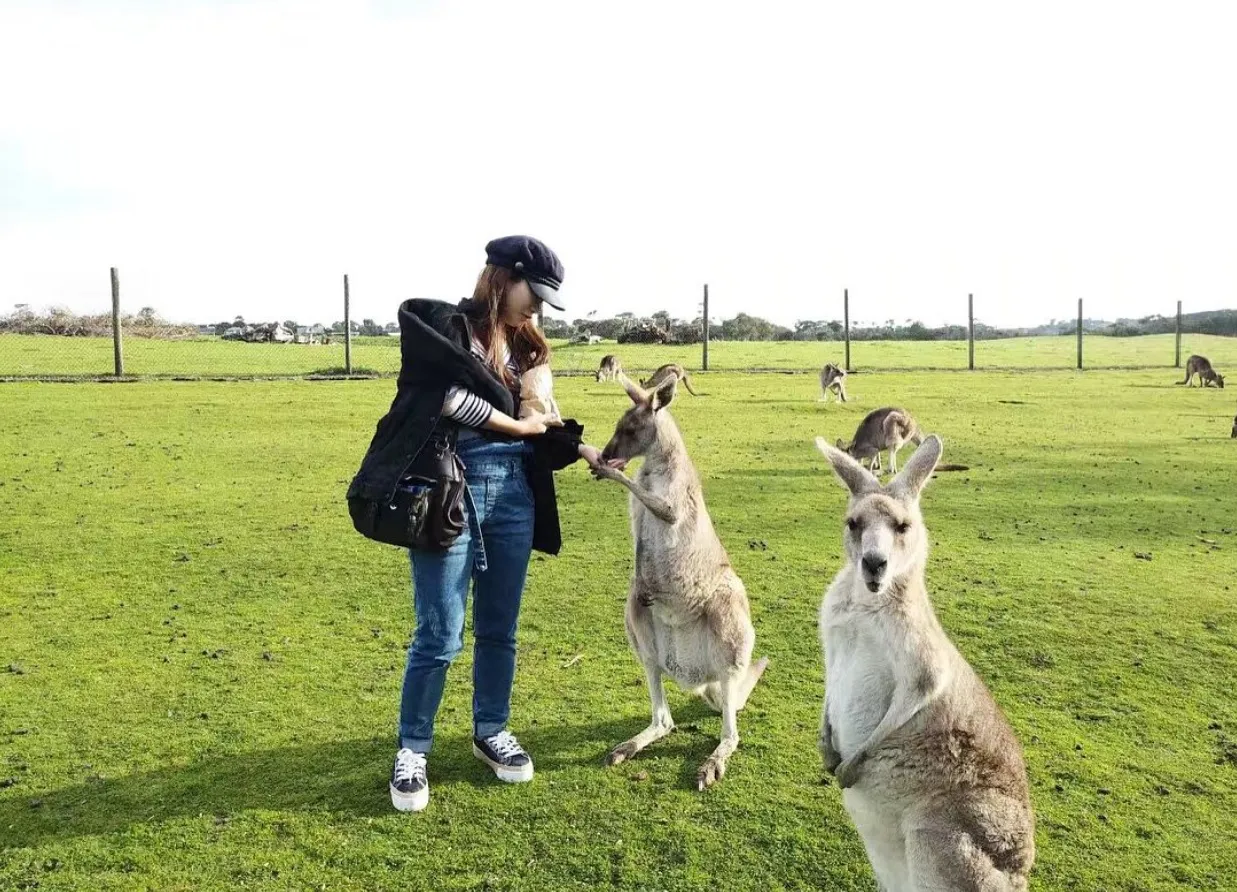
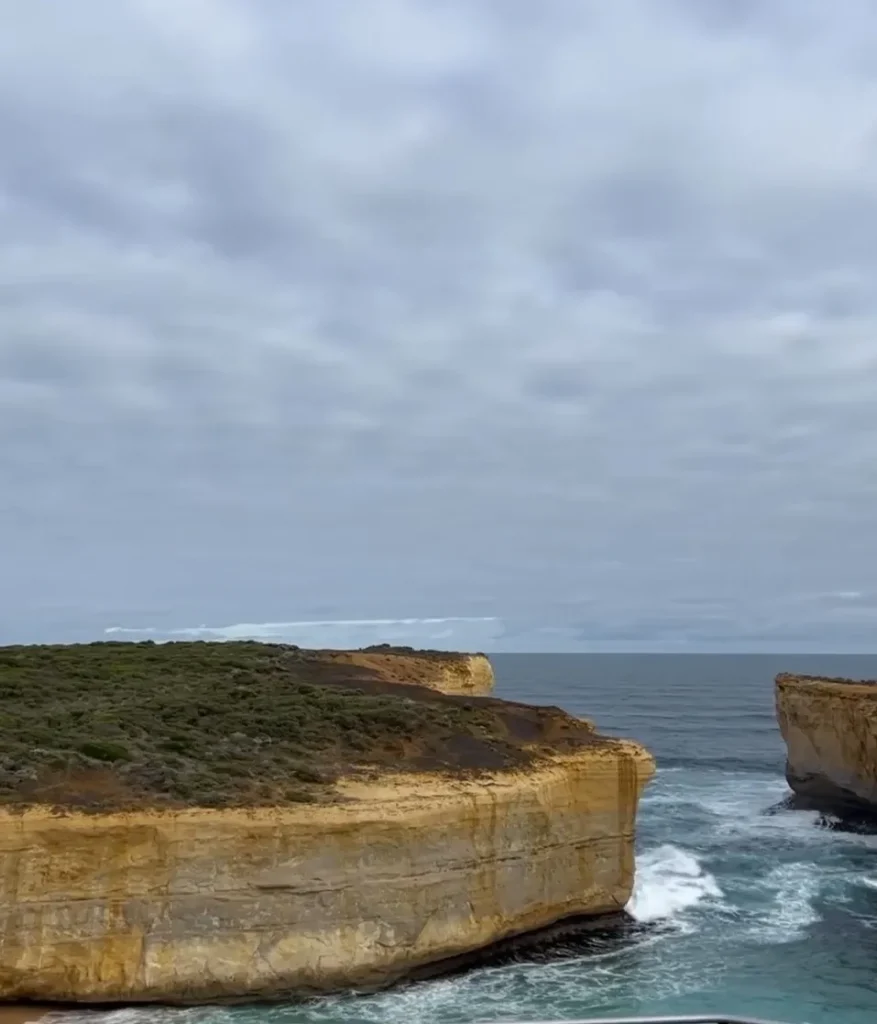
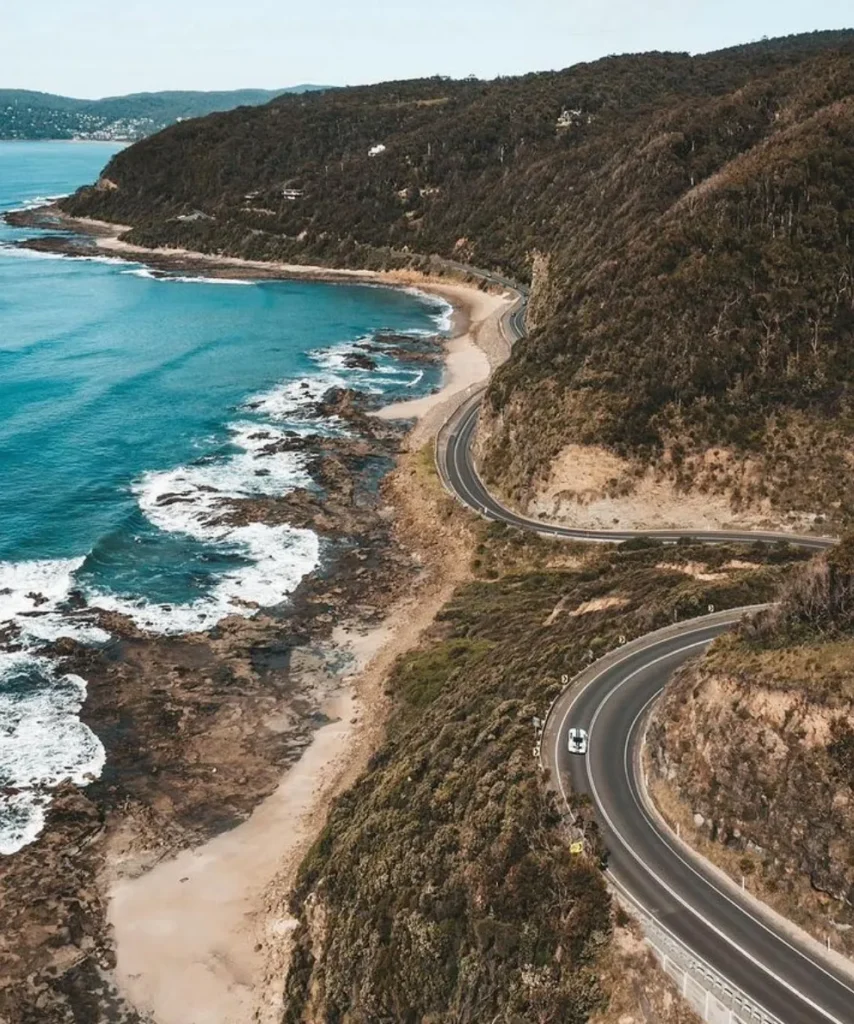
The Great Ocean Road—Australia’s coastline jewel stretching across Victoria’s rugged south coast. This section is famous for its beautiful scenery and iconic landmarks like the Twelve Apostles, and it is important to marine conservation with many marine activities.
The Great Ocean Road from Apollo Bay to Port Campbell is a sanctuary for diverse ecosystems and marine life. This stretch of coastline combines environmental importance with recreational opportunities such as snorkelling, surfing, or simply basking in nature.
Marine Ecosystems from Shallow Reefs To Deep Waters
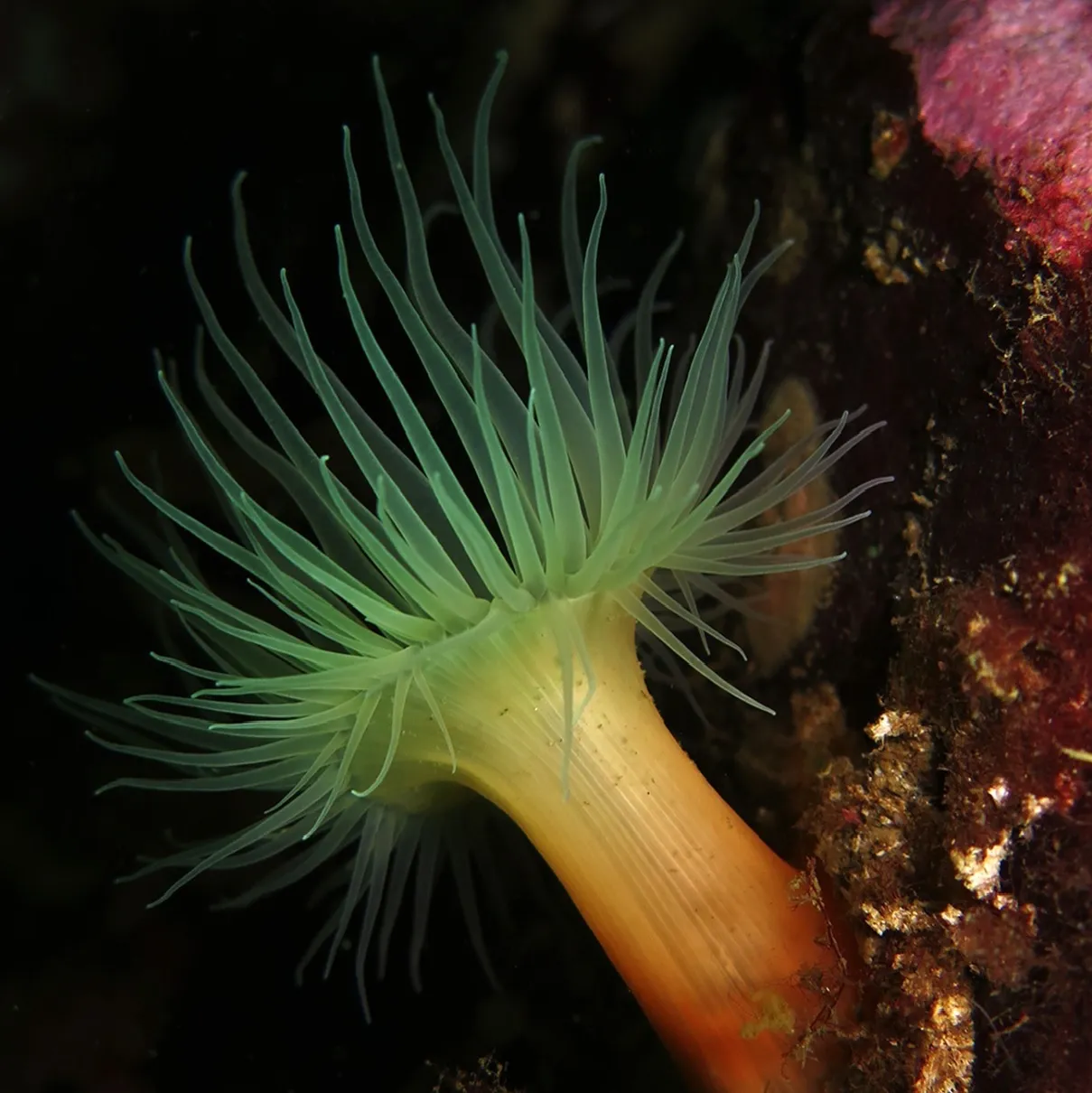
Marine ecosystems found along Great Ocean Road are as spectacular as they are various. Every zone, from intertidal rock pools exposed during low tide to offshore islands’ deeper reefs, showcases unique water life scenarios.
The shallow reefs around Cape Otway and Bells Beach can be visited when calm seas prevail, thus providing good conditions for novice divers/snorkelers who can explore colourful sponge gardens or soft corals relatively safely.
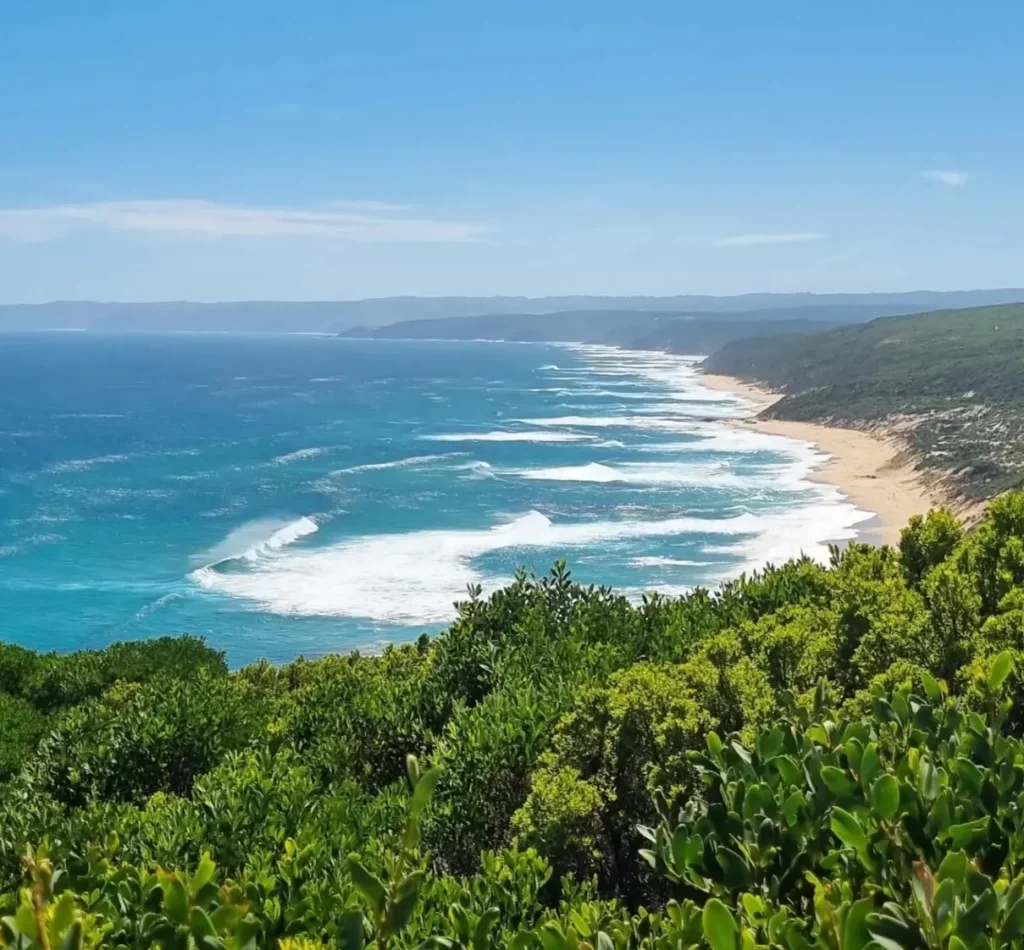
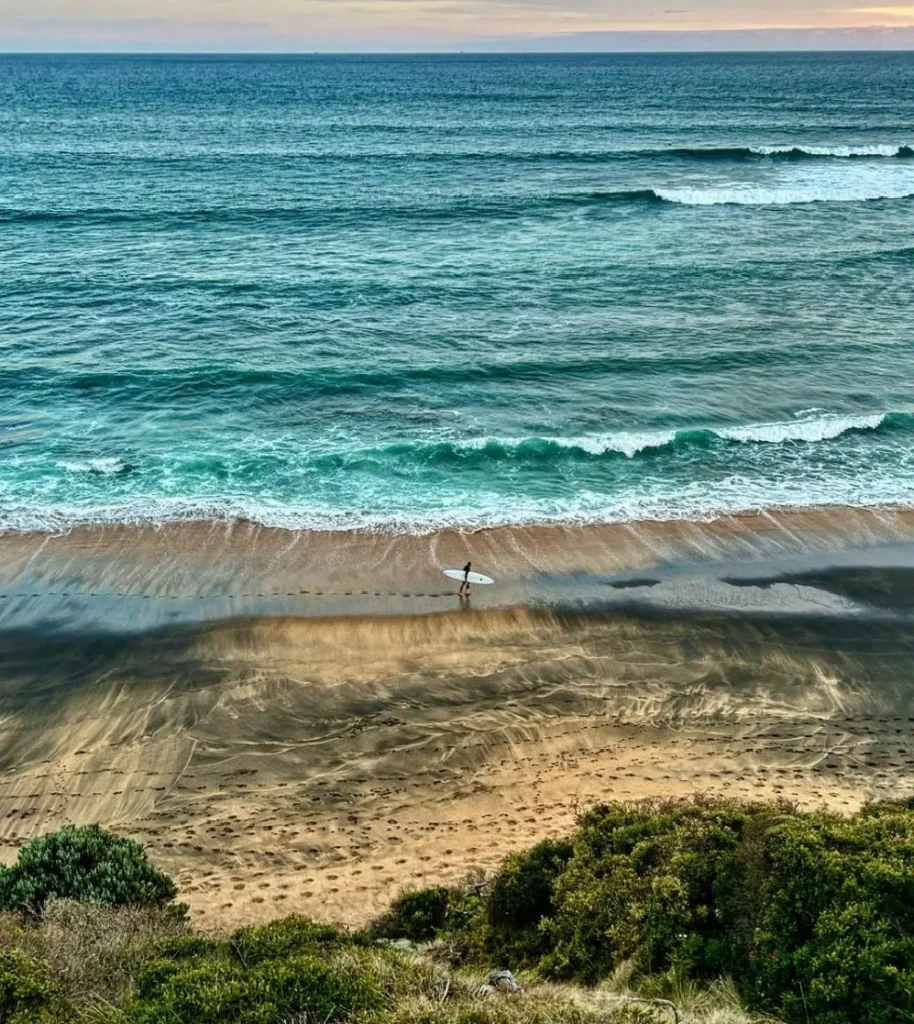
Further down, marine sceneries change completely when approaching into deeper waters. More challenging and mostly suitable for experienced divers, the outer reef systems and deeper reefs are covered by massive amounts of sponges and rocky reefs that serve as a home to a myriad of marine species. The interactions between reef and oceanic currents in these areas create dynamic habitats that are vital for the survival of a variety of marine species.
Key Marine Habitats and Their Inhabitants
One unique thing about this area is that it has Marengo Reefs Marine Sanctuary which is near Apollo Bay. This sanctuary protects diverse ecosystems ranging from tiny crustaceans to large mammals found within it. The surrounding sandy beaches of the sanctuary’s rock platforms form a protective barrier nurturing various sea life that allows them to live and grow.
Intertidal Reef And Rock Pool Habitats
These areas occur during low tide periods, providing safety zones for different kinds of marine organisms. The tidal pools, in particular, can resemble aquariums full of life from starfish and sea urchins to small fishes or crabs.
These habitats can be visited without diving equipment, providing an excellent learning experience for families and beginner explorers.
Deeper Reef Systems
Beyond the nearshore waters are these habitats whose species are generally more diverse and larger. Divers in these areas may come across groups of bright fish, octopuses hiding in crevices, and sometimes seals or dolphins swimming by.
However, due to deeper water and stronger flow of current, these places are more difficult to navigate through with better rewards in terms of observing a wider range of sea life.
Apollo Bay: A Hub for Marine Activities
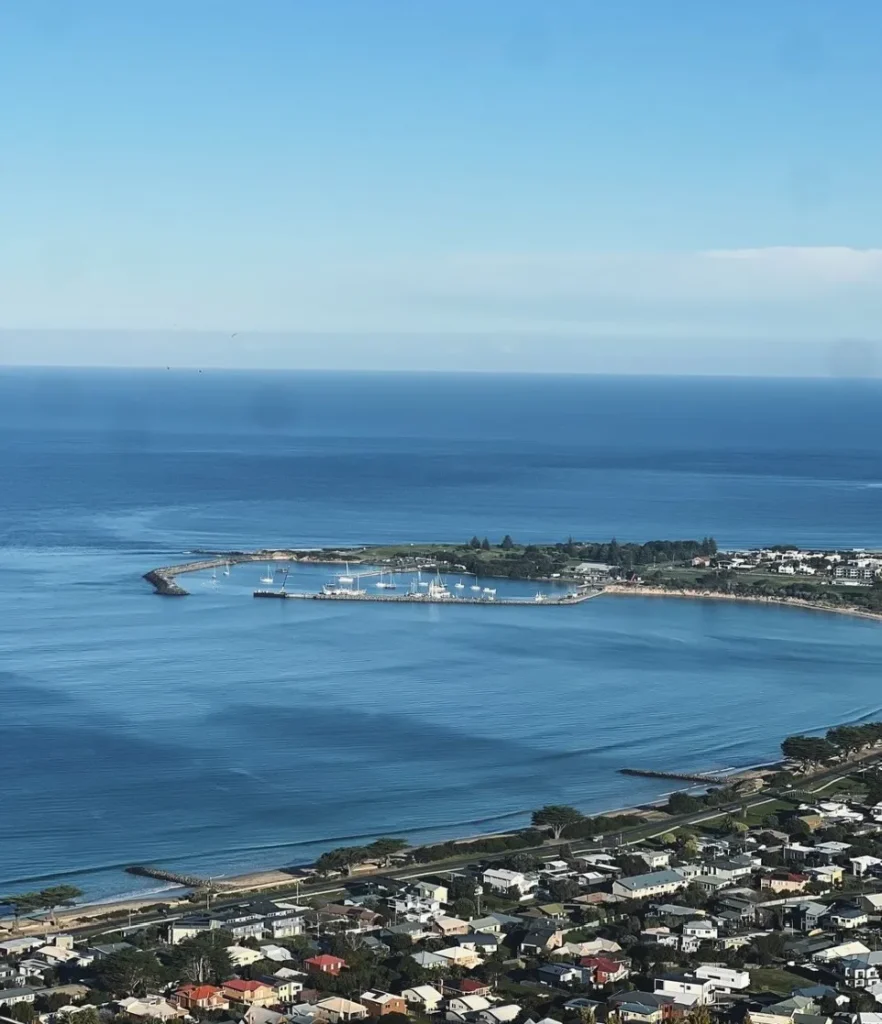
Apollo Bay is not only a place with calm waters and sheltered beaches but also connects visitors to several marine parks and sanctuaries. The town’s inhabitants are greatly involved in ensuring that the marine environment remains as pristine as possible.
From eco-friendly Twelve Apostles tour charter boats to sustainable fishing methods, this township sets a good example of how tourism can co-exist with the need for conservation.
Apollo Bay Fishing’s fame comes from its boat dive experiences, where tourists do not leave a footprint on marine ecosystems. The people running those local offices emphasize that they have created a safe environment that teaches people about protecting natural wonders.
| Sanctuary Name | Location | Key Features |
|---|---|---|
| Marengo Reefs Marine Sanctuary | Near Apollo Bay | Intertidal reefs, rock pools |
| Arches Marine Sanctuary | West of Port Campbell | Subtidal reefs, deep water corals |
| Barwon Bluff Marine Sanctuary | Near Barwon Heads | Rocky reefs, coralline algae |
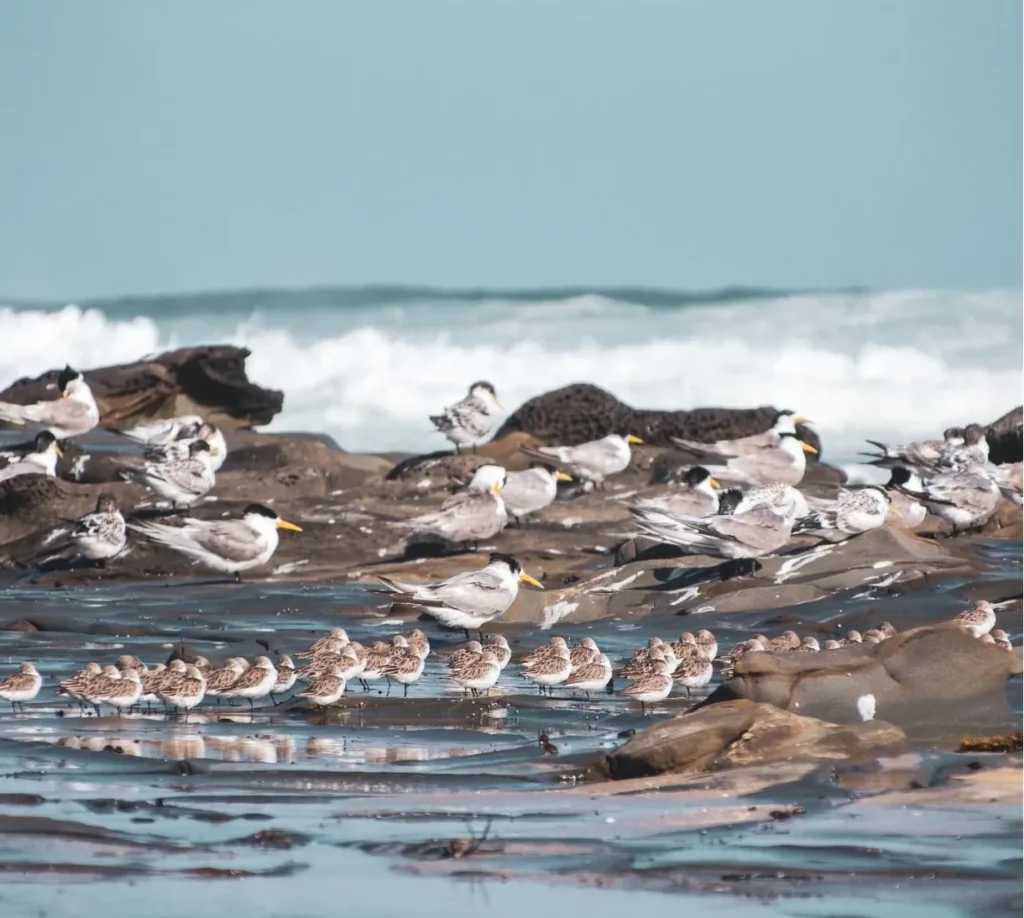
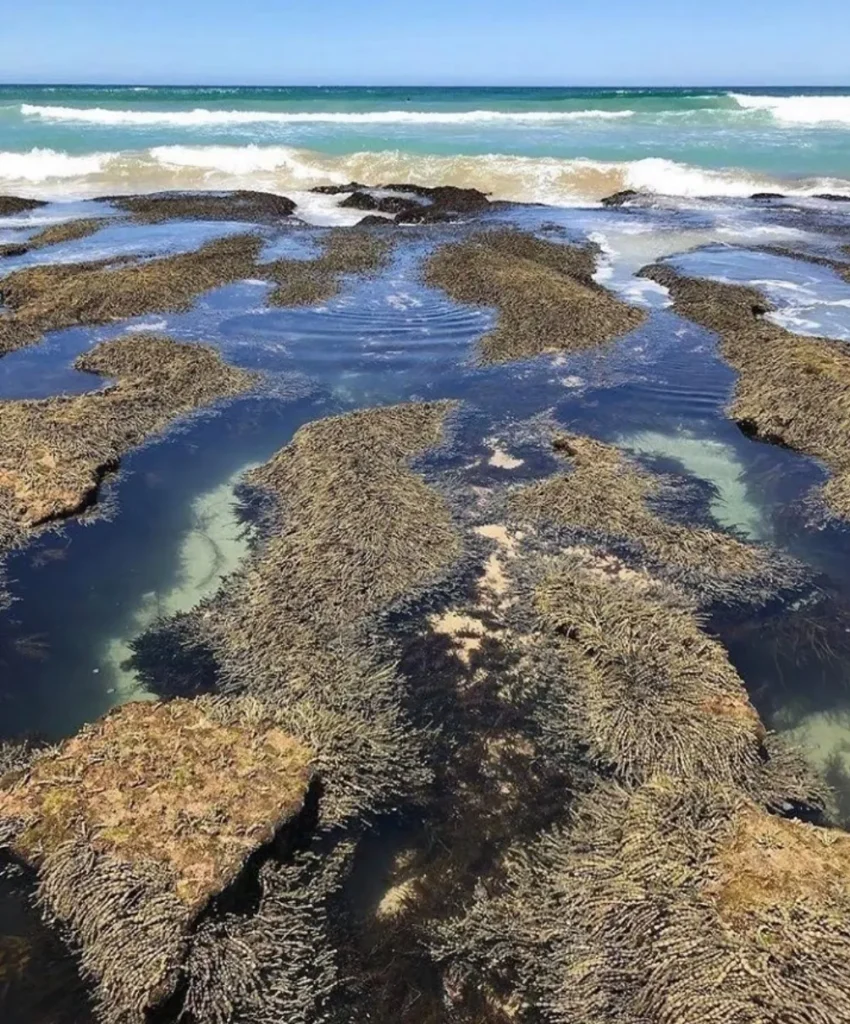
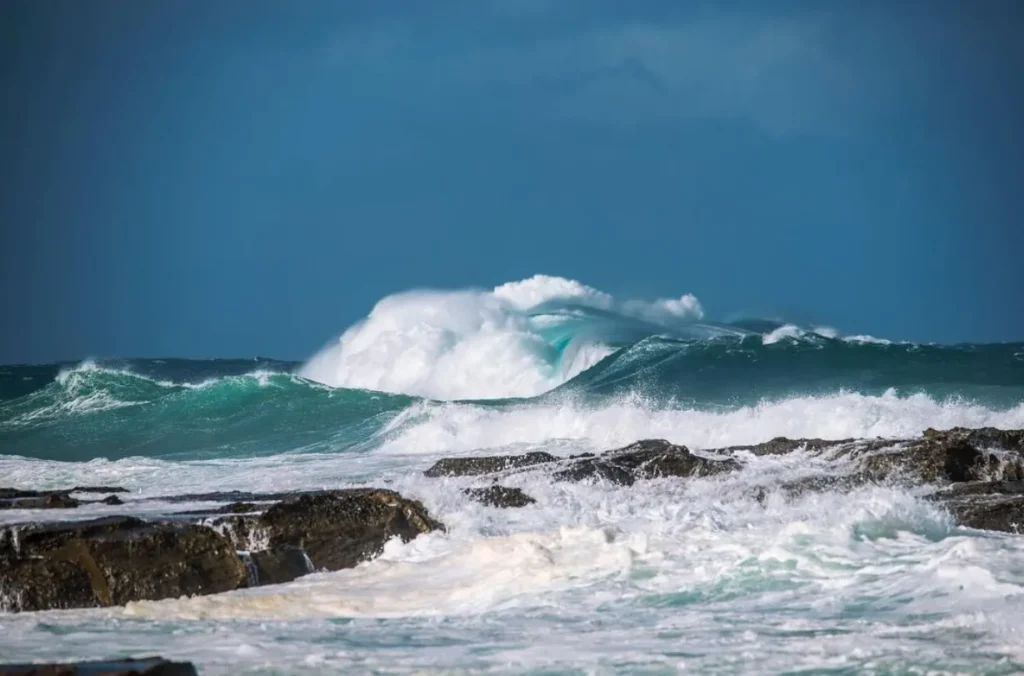
This table quickly outlines some marine sanctuaries found along Great Ocean Road, indicating their distinctive characteristics plus locations. Every sanctuary plays a significant role in safeguarding various seascapes, which, therefore, contribute to the overall healthiness of aquatic biodiversity within this area.
Iconic Marine Adventures and Cultural Experiences
The Great Ocean Road is not just about passive viewing but rather a blend of adventure and education. Port Campbell National Park and Bells Beach are some places where one can enjoy various water sports for all levels of skill and thrill. The area abounds in opportunities for tactile tuition and joy, be it the exuberance of riding the wild waves at Bells Beach or exploring more serene waters ideal for kayaking at Byron Bay.
Surf Coast walks, as well as organised tours around Cape Otway, go beyond mere exercises; they present an opportunity to understand how a delicate balance of this unique ecosystem is achieved. These trips often focus on reconciliation by teaching tourists about the traditional lands of the Gadubanud people and local endeavours to achieve equity of outcomes relating to land management. By taking part in such activities, visitors appreciate more deeply their natural surroundings and the cultural heritage that has shaped them.
Protecting the Marine Wonders: Conservation Efforts and Challenges
The Great Ocean Road is renowned for its beauty, biodiversity but it faces serious environmental problems. Climate change, pollution from land-based sources and sea-based activities as well as increasing tourism all threaten these sensitive marine environments. In order to combat these issues, local communities, government departments, environment agencies embrace several conservation strategies across the region.
Sustainable tourism practices are increasingly adopted, like limiting access to breeding areas and closing off fishing sections of marine sanctuaries. Educational programs targeting locals and travellers underline the importance of a clean and safe environment, including the responsible disposal of waste and wildlife-friendly actions.
Conservation Success Stories:
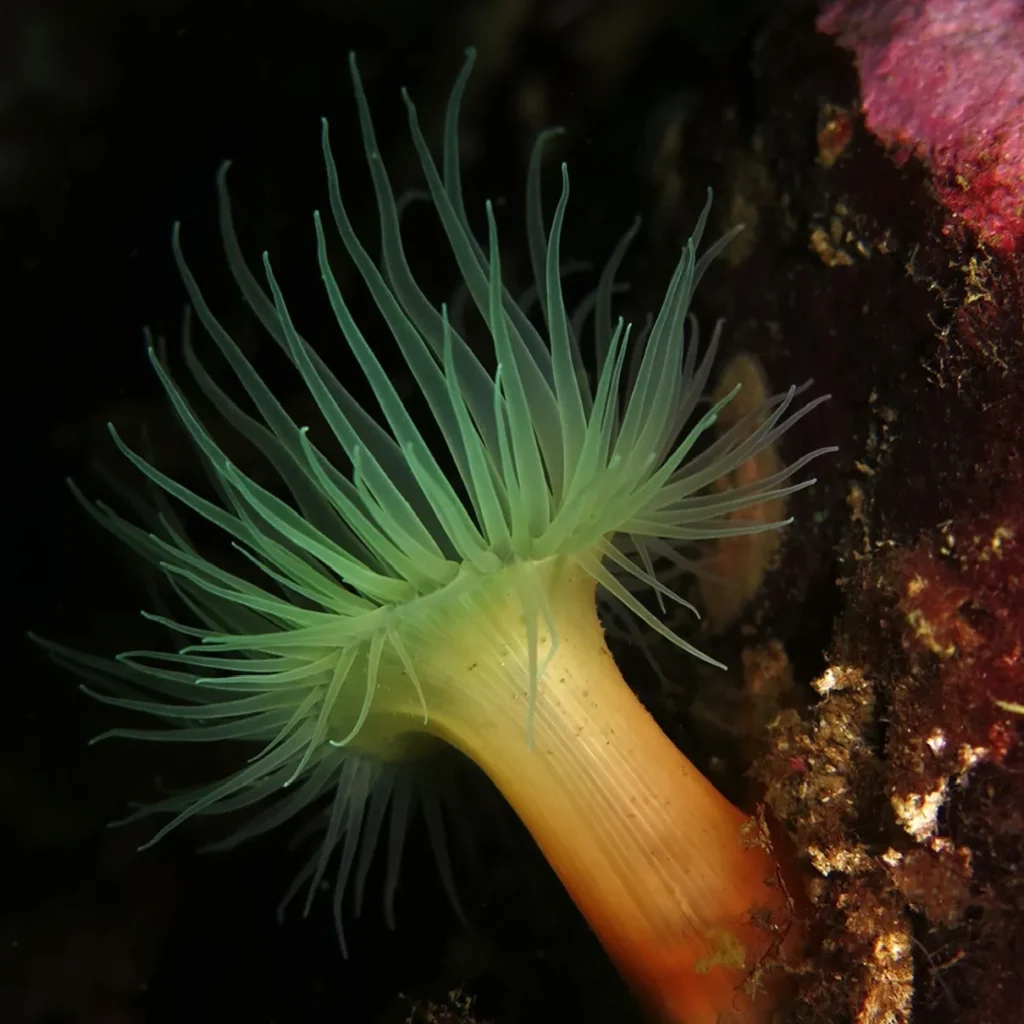
- The recovery process of coral populations in the Marine National Parks has been encouraging with multiple sites showing marked signs of spontaneous regrowth after implementation of protective measures.
- Community-instigated beach clean-ups, as well as efforts to collect marine debris, have significantly reduced pollution levels, thus maintaining the beauty of beaches and marine waters.
Ongoing Challenges:
- However, the issues about climate change impacts are still quite complicated because increasing ocean temperatures and acidification endanger many marine organisms’ lives.
- Balancing local community needs with conservation priorities is a complex task that requires continued dialogue for adaptation of management strategies.
Frequently Asked Questions
When is the best time to visit Great Ocean Road for marine activities?
During summertime in Australia, which falls between December and February, visitors have an opportunity to participate in numerous ocean activities like snorkelling, diving and surfing because water temperatures are warmest during this period.
Are there any specific conservation rules visitors need to follow?
Yes. There are several regulations related to wildlife interaction preservation, such as not harming animals, sticking within the demarcated trails and zones and not picking anything natural from the beaches or ocean.
What marine life can you typically see at the Great Ocean Road?
Great Ocean Road’s sea life shows great variety where different types of fish abound alongside seals, migrating whales (in season), different kinds of mollusks and invertebrates as well as seabirds.
How available are the diving places for people along the Great Ocean Road?
A lot of these snorkeling and diving areas are not difficult to reach, though some of them have facilities that cater for beginners, including rental gear. Nevertheless, there may be other deeper or outlying spots that require competent and guided divers.
Can you engage in marine conservation as a tourist?
Yes, very well. This permits guests to take part in beach clean-ups and citizen science projects, among other activities organized by the many local organizations. The aim is to understand more about the environment while contributing towards its conservation.