Do Jumping Crocodile Cruises run during the wet season, or does the Top End just close up for the stormy summer months? The truth is, the Adelaide River doesn’t take a summer break, and nor do the saltwater crocs – they’re actually at their most territorial, unpredictable and downright fascinating
I’m Paul Beames, and with over two decades of running tours in the Northern Territory under my belt, I’ve seen the Dry Season’s sunny blue skies and the Wet’s stormy drama all in the same week. Both seasons have their weird and wonderful moments, but there’s something about the Wet (that’s Nov to April) that really gets the heart of the Top End pumping.
The Real Deal on the Wet Season Up North
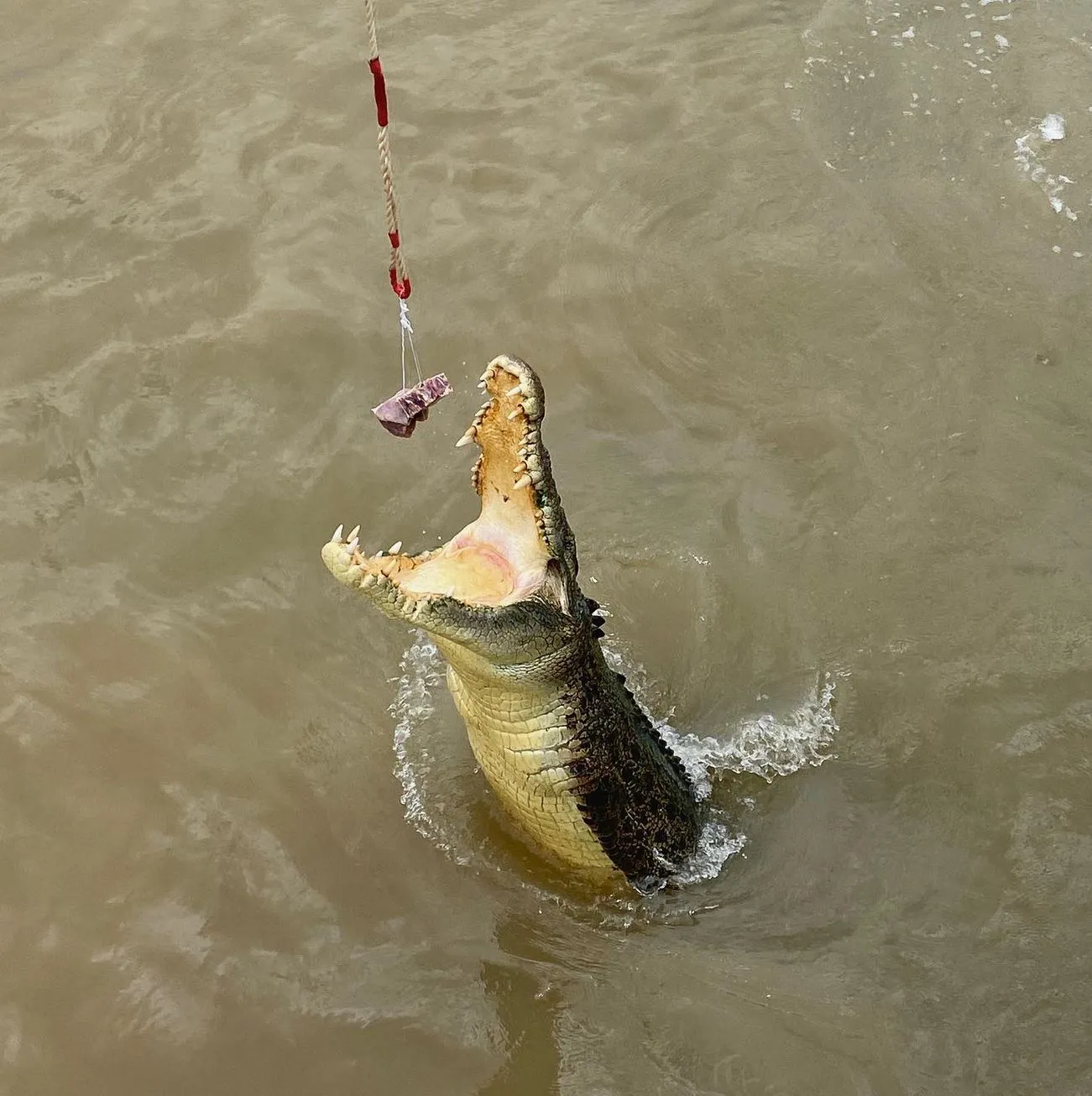
The Wet Season in the Northern Territory isn’t for the faint of heart – it’s bloody hot and sticky in the day, and just when you think it can’t get any worse, the thunderstorms roll in and dump a month’s worth of rain in just one hour. Lightning flashes across the sky, and the rivers, like the Adelaide, swell up fast. But that’s exactly when the wetlands come alive.
Now, some operators might pack up their boats and head to the beach til May, but not us at Jumping Crocodile Cruise. We’ll keep running when it’s safe to do so – but do make sure to double check with us at the time of booking because tides, river levels and road access along the Arnhem Highway can change at the drop of a hat.
And let’s face it, you’re going to get wet – it’s all part of the fun! Pack that insect repellent, rubbers and a healthy dose of patience for the odd road delay. If you’re coming from Darwin, expect a good hour’s drive east to the Adelaide River, and keep an eye out for those pride of water buffalo grazing by the roadside, plus a few jabirus stalking the floodplains – this is the real deal, Australian wildlife country at its finest.
Predator Behaviour in the Wet Season
Forget the idyllic image of Saltwater Crocodiles (or if you want to get all technical – Estuarine Crocodiles)basking in lazy river waters – the Wet season kicks them into high gear and they find themselves on a breeding mission. Their activity levels shoot through the roof as they go into full display mode, building nests and letting out those unmistakable deep growls that reverberate through the mangroves.
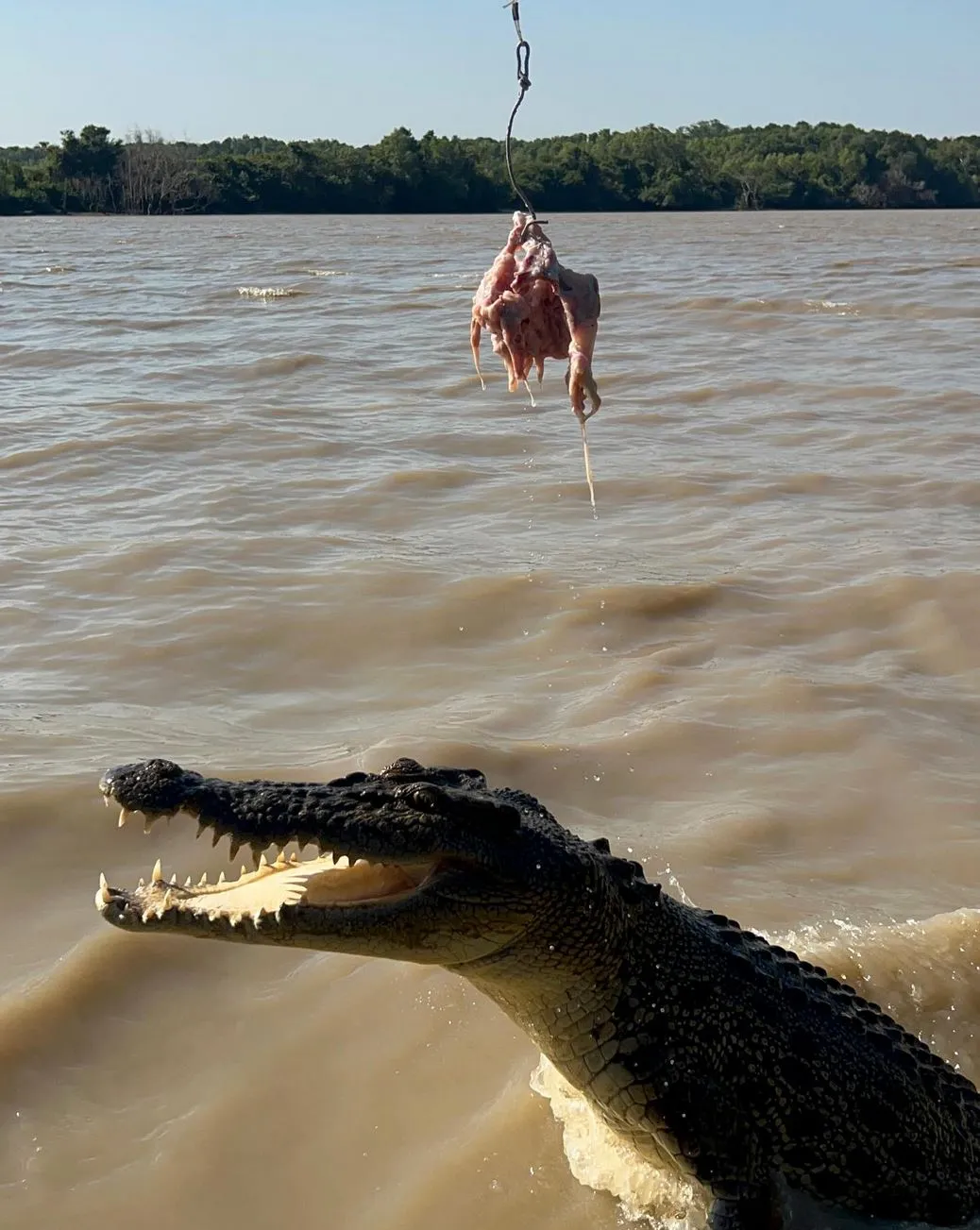
With water levels rising, the crocs get to roam further and wider, so it’s still possible to see those magnificent leaps on a dry-season cruise, but the tour operators adjust their stops and feeding times – all under the watchful eye of strict permits, of course. They’re not circus-trained performers; these are the apex predators, ancient beasts doing what they’ve done for a mindboggling 200 million years.
I was on a Croc cruise in early December, and one massive bull leapt so high he got water all over the upper deck, even the croc-proof glass got a soaking. The guide just cracked a grin and said, “That’s why we don’t double-feed him”
Working Out Who Runs Cruises When
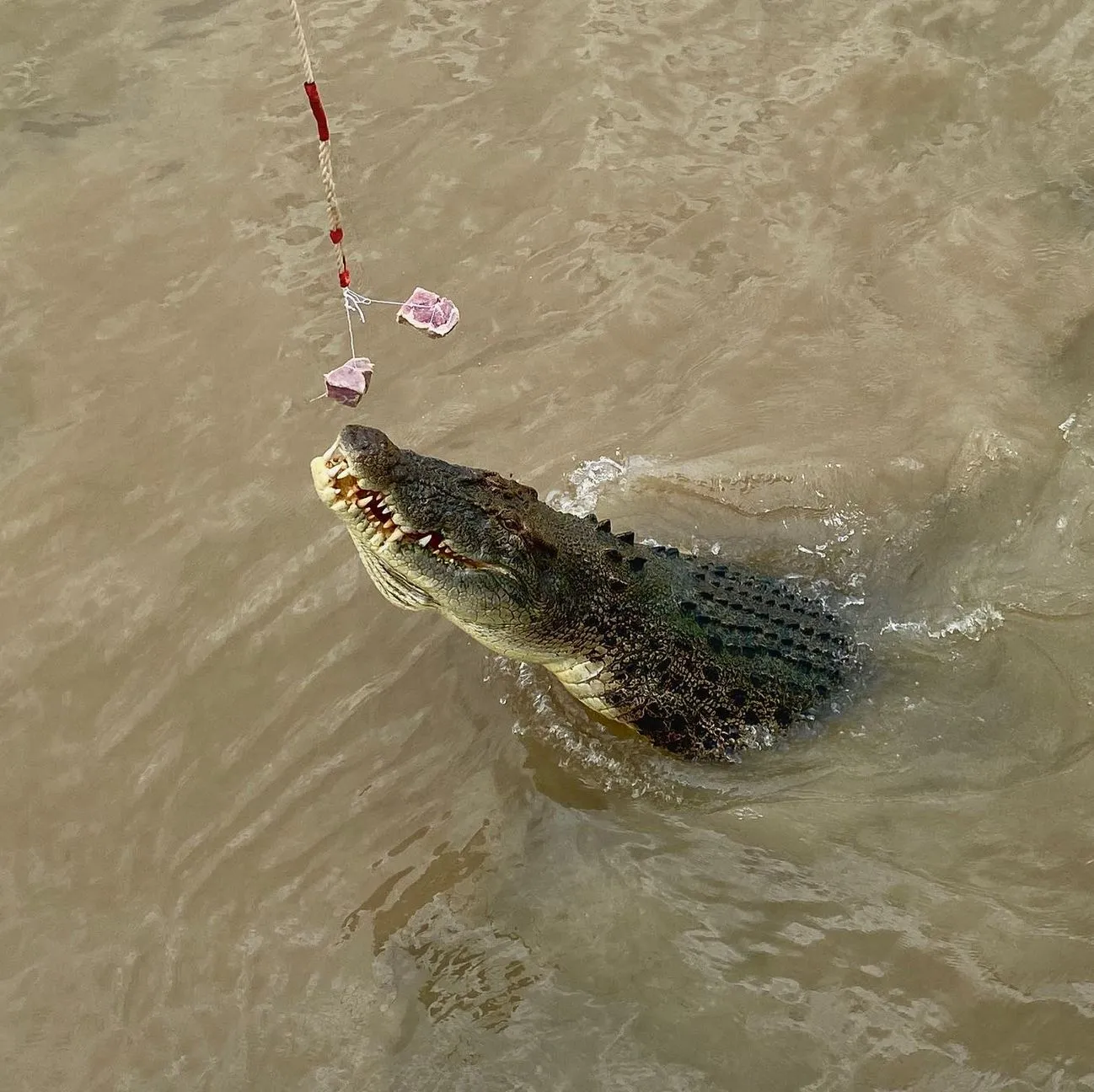
Not all operators on the Adelaide River keep the engines running through the Wet. Some pull back, others close up shop from January to March . I put together a quick rundown based on what I heard from local sources and some industry chatter from contacts on the ground.
| Operator | Wet Season Operations (Nov–Apr) | Highlights | Notes |
|---|---|---|---|
| Jumping Crocodile Cruise | Operates most of the Wet Season (check exact dates) | Live commentary, croc-proof vessels, flexible schedules | May pause briefly for maintenance during peak floods |
| Spectacular Jumping Crocodile Cruise | Limited operation in Dec–Feb | Wildlife expert commentary, upper and lower deck viewing | Subject to weather closures |
| Adelaide River Cruises | Reduced services Jan–Mar | Small group focus, private charters available | Road conditions may impact departure times |
| Crocodylus Park River Cruise (Darwin) | Year-round | Combines croc biology exhibits with a cruise | Great wet-season fallback if river conditions are unsafe |
When booking your trip, don’t just glance over at the dates – give a quick call to check in. Ask about water levels, wind conditions and whether the tour guides are running that week. Travelling in the Wet season is a real treat for the flexible traveller.
Why Croc Cruises Change in the Wet
Most people assume that the Wet season means nothing but closed doors. But in actual fact, the landscape transforms into a lush, vibrant world of flat floodplains reflecting the sky, crocs slinking through the reeds and kingfishers chasing after dragonflies for fun.
Jumping Crocodile Cruises tailor their experience to the Wet season – it’s less about showing off the big leaps and more about witnessing the animals in their natural habitat. You get to see the males defending their nests and the females guarding the shallow waters. And the commentary from the wildlife experts is top-notch; they tell you all about the biology of these incredible creatures and how they manage to survive when the floodwaters come.
You might just spot:
- loads of saltwater crocodiles in all shapes and sizes, from snapper-sized juveniles to massive male bulls
- water buffalo plodding through the mudflats
- dozens of bird species – whistling kites, brolgas and loads more
- frogs and fish out and about in the marine ecosystem around the floodplains
It’s not perfect, and the Wet season can be a bit rough around the edges, but it’s real, it’s raw and often utterly unforgettable.
Staying Safe & Comfy on a Wet Season Croc Cruise
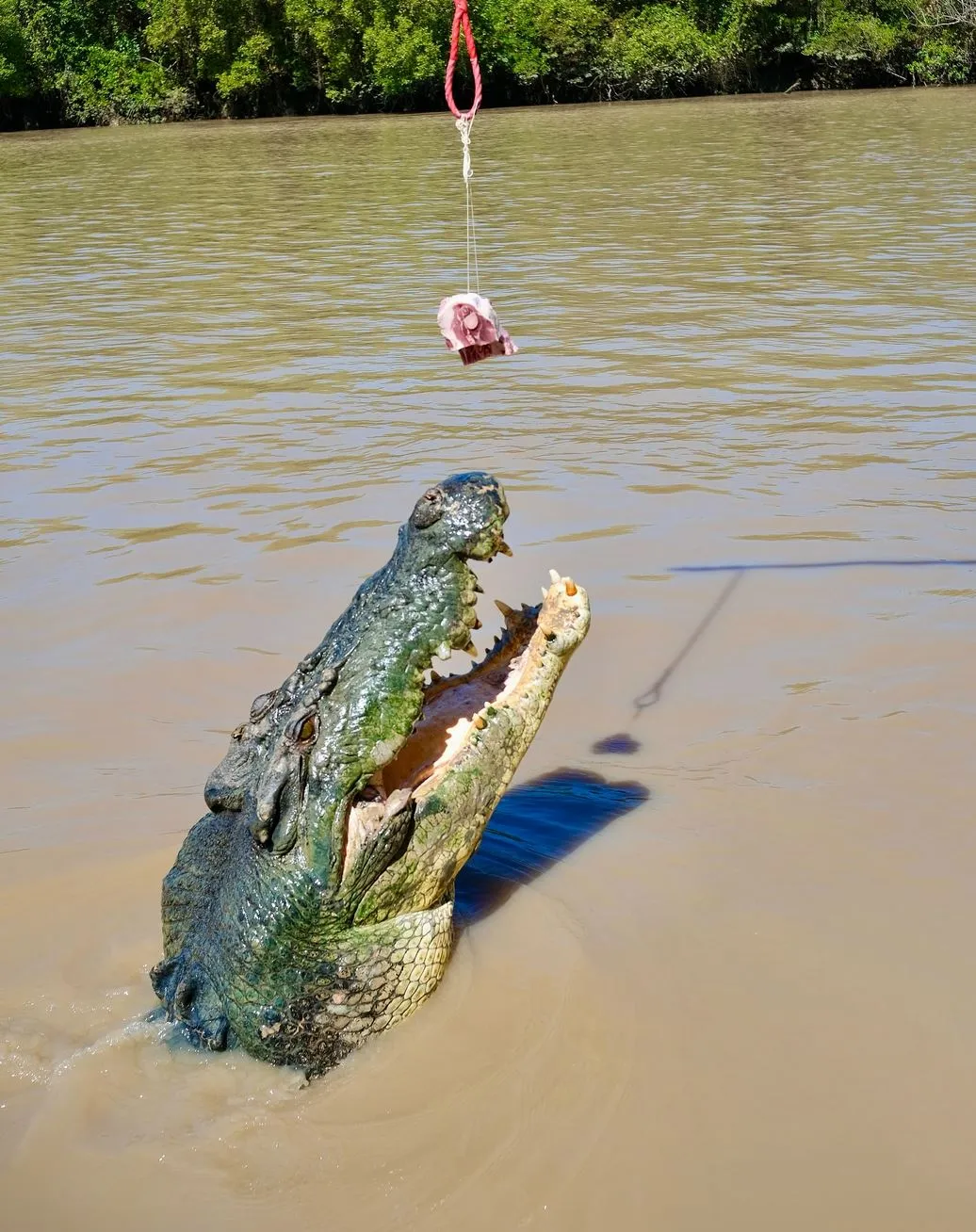
Let’s get down to business. The Wet season can throw some curveballs at you – humidity that you could swim in, mozzies that will bite right through your socks and tropical storms that seem to come out of nowhere. But with a bit of prep, you’ll be as right as rain.
Checklist Before You Head Off:
- try to get flexible tickets – lots of operators will give you a credit voucher if they have to cancel due to the weather
- bring some top-shelf insect repellent (those mozzies are relentless)
- pack light, breathable clothing and a waterproof bag to keep things dry
- don’t forget to bring some water with you – dehydration sneaks up on you in the stormy tropics
- get to the boat early – flood detours can double your travel time from Darwin
- check whether your tour is a live commentary or a private charter
Safety is the top priority on all licensed cruises. Each boat has croc-proof glass, an enclosed lower deck for those who want to stay out of the sun and an open upper deck for photographers to chase after that perfect shot.
Croc Biology 101: Wet Season Mood Swings
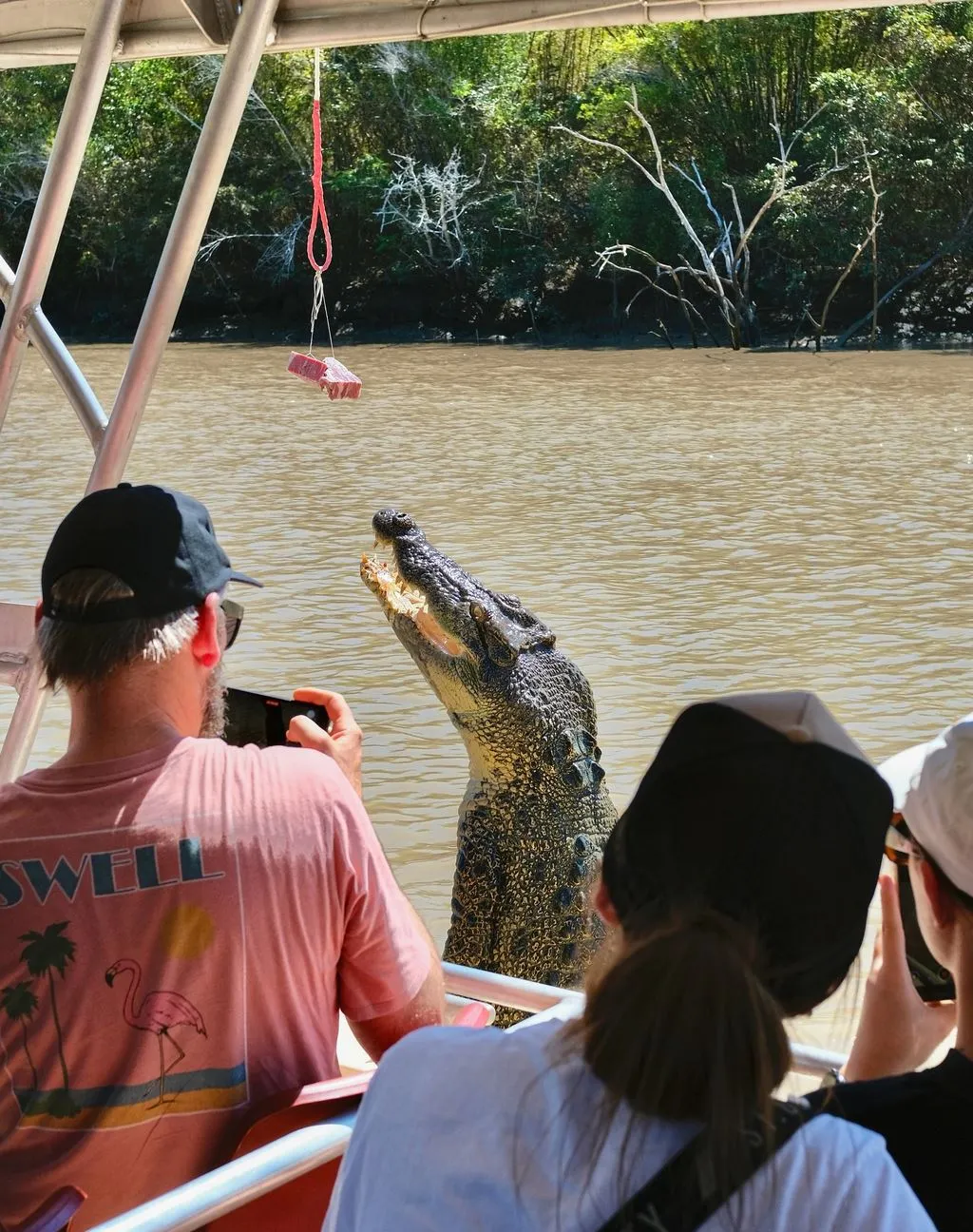
You can’t truly get to grips with crocodile behaviour till you get a handle on what’s driving it. The Wet is their reproductive season – time to get aggressive, have a nest to build, and you can actually influence the sex of your little hatchlings by temperature. The guides over at Jumping Crocodile Cruise are always spinning you a yarn about all this, usually referencing what you can see right before your eyes, with a grin from ear to ear.
During floods, the way crocs go about hunting changes – rising water means whatever’s usual prey ( wallabies, pigs) is running out of safe places to live. If you keep an eye out, you might even see some sneaky, slow-motion hunting techniques – a swirl of water here, a ripple there, and then nothing. Just blink and it’s gone.
Watching the Wildlife interactions this time of year definitely feels more real. You’re not watching some staged performance – you’re seeing a top dog in its element, fine-tuned to every little noise and shadow.
The Dry Season Still Has a Certain Appeal
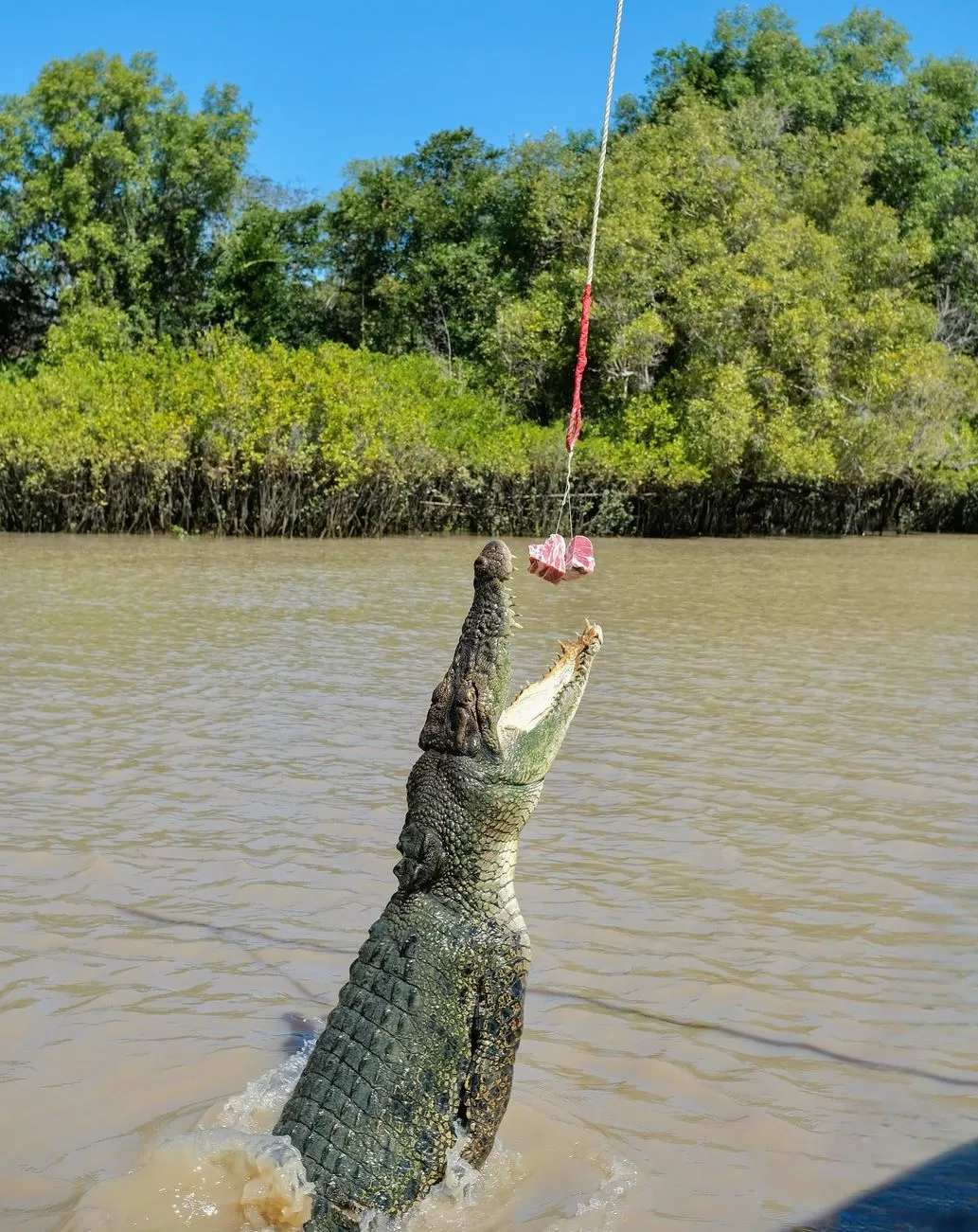
Now, let’s be honest – for most people, the Dry Season (May to October) is still way easier to visit. Roads are open, humidity drops, and the sky is nice and clear.
Jumping Crocodile Cruise boats are always chock-full during the Dry – don’t be surprised to be squished in with the rest of the passengers. You’ll be pretty much guaranteed to see some crocs, have a reliable departure time, and fewer mozzies to deal with. But you’ll also miss out on the Wet’s thunder and the dynamic ecosystem that comes with it.
If you want your classic Northern Territory postcard, go Dry. If you want to really feel the Territory – smell the rain, hear the crocs bellowing in the downpour – then you need to come back during the Wet
Tips From the Deck: Getting the Best Experience
I’ve been on the river a bunch of times now, and I’ve seen every kind of traveller – from wildlife photographers with lenses as long as their arms to backpackers trying to keep their drinks safe on the upper deck. So what makes the smart travellers stand out from the rest? Here are some tips from one who’s been around the block a few times:
Pro Tips:
- Morning cruises are where it’s at – the water’s calmer, it’s cooler, and you’re more likely to see some crocodile action
- Bring a towel, trust me – the crocs don’t mind making a splash with their fans
- If you don’t like getting sprayed, sit mid deck – it’s just more comfortable that way
- Have a chat with the tour guides – some of them have been doing this for years and know all the best stories
- The gift shop has some nice local crafts and souvenirs – it all helps support the NT tourism scene
The beauty of it all is – every trip is different – one day you’ll see crocs making a leap, the next you’ll see a bird species that you can’t even identify without a field guide.
Paul’s Final Thoughts
The Top End doesn’t shut down for the Wet — it just changes gears. The Jumping Crocodile Cruise proves that even in the middle of a monsoon, the Northern Territory delivers moments you’ll talk about for years.
Whether you’re watching Saltwater crocodiles glide silently under the boat or listening to a Wildlife expert explain how these Prehistoric Beasts shape their marine ecosystem, the Wet Season reminds you why this place is wild — and worth respecting.
Pack smart, travel flexible, and stay curious. You’ll come away with a deeper appreciation for these rivers and the creatures that rule them.
Got a question about croc cruising during the Wet? Comment below — I’m always updating my field notes.
FAQ
Are Crocodile Cruises Safe During the Wet Season?
Yes — all licensed NT operators follow strict safety protocols, including croc-proof glass, designated viewing decks and experienced tour guides. Wet conditions may affect comfort more than safety, but boats won’t depart if the river’s unsafe.
Will I Still See Crocodiles If the Water’s High?
Yes. Crocodile sightings are common year-round. During floods, guides use their local knowledge to find active zones. You may see fewer crocodile leaps but more natural hunting and nesting behaviour.
Can I Book Private Charters for Photography or Research?
Yes — most operators, including Jumping Crocodile Cruise, offer private charters for photographers, researchers and wildlife enthusiasts. These often include extended time on the water and more detailed tour commentary.
What Happens If My Cruise Is Cancelled Due to Weather?
You’ll usually receive a credit voucher or be rescheduled at no cost. Always check the refund terms at the time of booking, especially December to February when weather disruptions are more frequent.
Which Season Is Better for Wildlife Interactions — Wet or Dry?
Both. The Dry Season offers clearer skies and guaranteed access, while the Wet delivers richer wildlife behaviour and lush scenery. If you’re into photography or crocodile biology, the Wet provides rare glimpses of breeding and nesting patterns.