The Australian Outback is a big and varied landscape that hooks you in with its rough beauty and unique wildlife. For many, the idea of running into snakes in this wild place is exciting and terrifying. So, are there snakes in the Australian Outback? The short answer is yes, but knowing more about these creatures and their behaviour will help you feel prepared and safe.
Types of Snakes


Australia has some of the most venomous snakes in the world and the Outback is no exception. But snakes are not as aggressive as people think and prefer to avoid humans. Here are some of the snakes you might meet in the Outback:
- Inland Taipan (Fierce Snake): The most venomous snake in the world. Rarely seen as it’s shy and hides. It can knock an adult human out in minutes if not treated.
- King Brown Snake (Mulga Snake): Found all over Australia. Mild-tempered but best avoided if you see one.
- Western Brown Snake: Fast and very venomous. Found in the arid Outback.
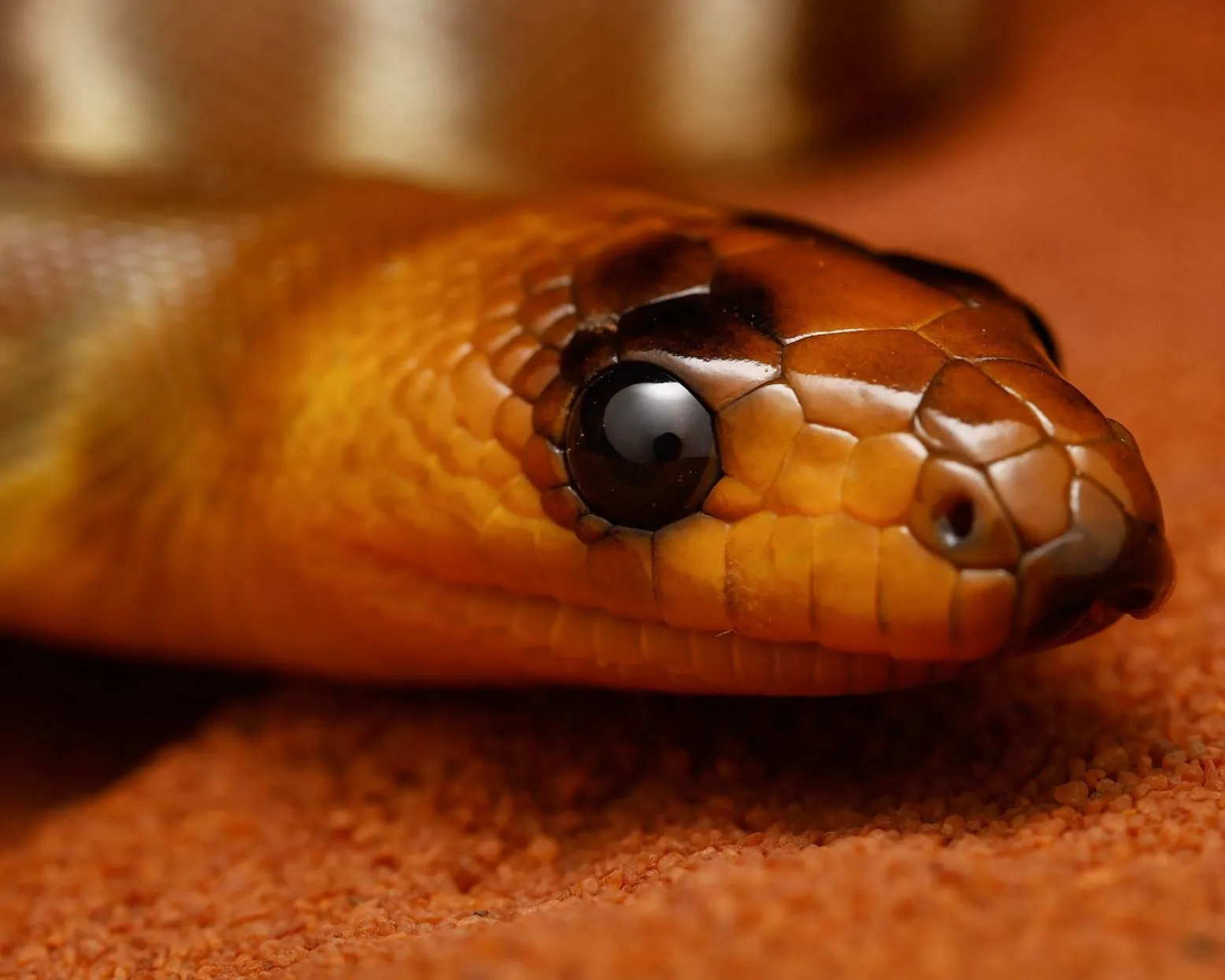
- Desert Death Adder: Has a broad triangular head and short body making it well camouflaged in the sand.
- Red-Bellied Black Snake: Common in some areas. Toxic venom but less deadly than some of its relatives.
- Small-Eyed Snake: Elusive and nocturnal so less likely to see you.
- Woma Python: Non-venomous. A vital part of the ecosystem. Eats rodents and small animals.
- Desert Whip Snake and other Whip Snakes: Found in different habitats. Generally, it is not a threat to humans.
- Brown Tree Snake: Found in forested areas. Mildly venomous and arboreal.
The Australian Outback has many different habitats that support these and many other snakes. From the tropical north to the arid central regions, each climate zone has its own wildlife.
How Often Will You See Them?

While the Australian Outback has snakes, meeting one is rare. Snakes are shy and avoid humans. Most sightings are when snakes are basking in the sun or crossing paths, often during the warmer months. Being aware of your surroundings reduces the chance of an unexpected encounter. The Aussie Outback is a habitat for many snake species so it’s important to respect these animals in their environment. Explore the Outback with an Australian Outback tour and see the wildlife while being safe.
Black whip snakes, average tiger snakes and blind snakes are not aggressive towards humans but can surprise you. Many Australian snakes, like the inland taipan, have venom, so be aware.
Traveler Safety

- Stay on the Path: Stick to marked trails and don’t wander into thick vegetation.
- Wear Good Shoes: Sturdy closed-toe shoes will protect you from accidental whip snake bites or other creatures.
- Watch Out for Rocks and Logs: Snakes like to hide in shady areas or under objects.
- Use a Flashlight at Night: Visibility is key at night when snakes are more active.
- Don’t Mess with Snakes: If you see a snake, keep your distance and let it go away.
- Learn to use a Pressure Bandage: Knowing how to respond to snake bites, especially from snakes like the king brown or red-bellied black, can be life-saving.
- Don’t Attract Snakes: Keep campsites clean and free of food scraps, which will attract smaller animals.
Why Snakes Matter


Snakes are an important part of the Outback ecosystem. They control rodents and small animal populations, keeping the environment in balance. Understanding their role and respecting their space will make for a more rewarding Outback experience. From colourful lizards to black snakes and blind snakes, the Australian Outback is home to many creatures. Native snakes like the desert whip snake have adapted to their environment and thrive in unique climates.
The blood flow and blood clotting disorders caused by snake venom show how important medical attention is for snake bites. Understanding their physiology, like body heat detection and body colour patterns, helps us understand their behaviour. Snakes, including poisonous snakes, are part of the Australian landscape.
Follow these tips and enjoy the beauty of Australian snakes and you’ll be safe in the Aussie Outback. The sheer number of habitats and Australian snake adaptations will make it an experience you’ll never forget.
FAQ
Are snakes in the Outback aggressive?
No, most snakes in the Outback are not aggressive and will get out of your way if they can. They only bite when threatened or provoked.
What do I do if I see a snake?
Stay calm and back off slowly. Don’t touch or move the snake. Give it room to get away.
How do I avoid snake bites when hiking?
Wear good boots, stay on the track and don’t reach into holes or under rocks or logs. Be aware of your body heat and don’t sit on the ground for long periods in shaded areas.
What do I do if someone gets bitten by a snake?
Call emergency services straight away and keep the victim as still as possible. Apply a pressure bandage above the bite site to slow the spread of venom and wait for help to arrive. Snake venom can affect blood flow and cause blood clotting disorders so medical help is urgent.
When are snakes most active in the Outback?
Snakes are most active during the warmer months, early morning and late afternoon when it’s not too hot. They can also be active in the cooler evenings in the tropical north and arid region