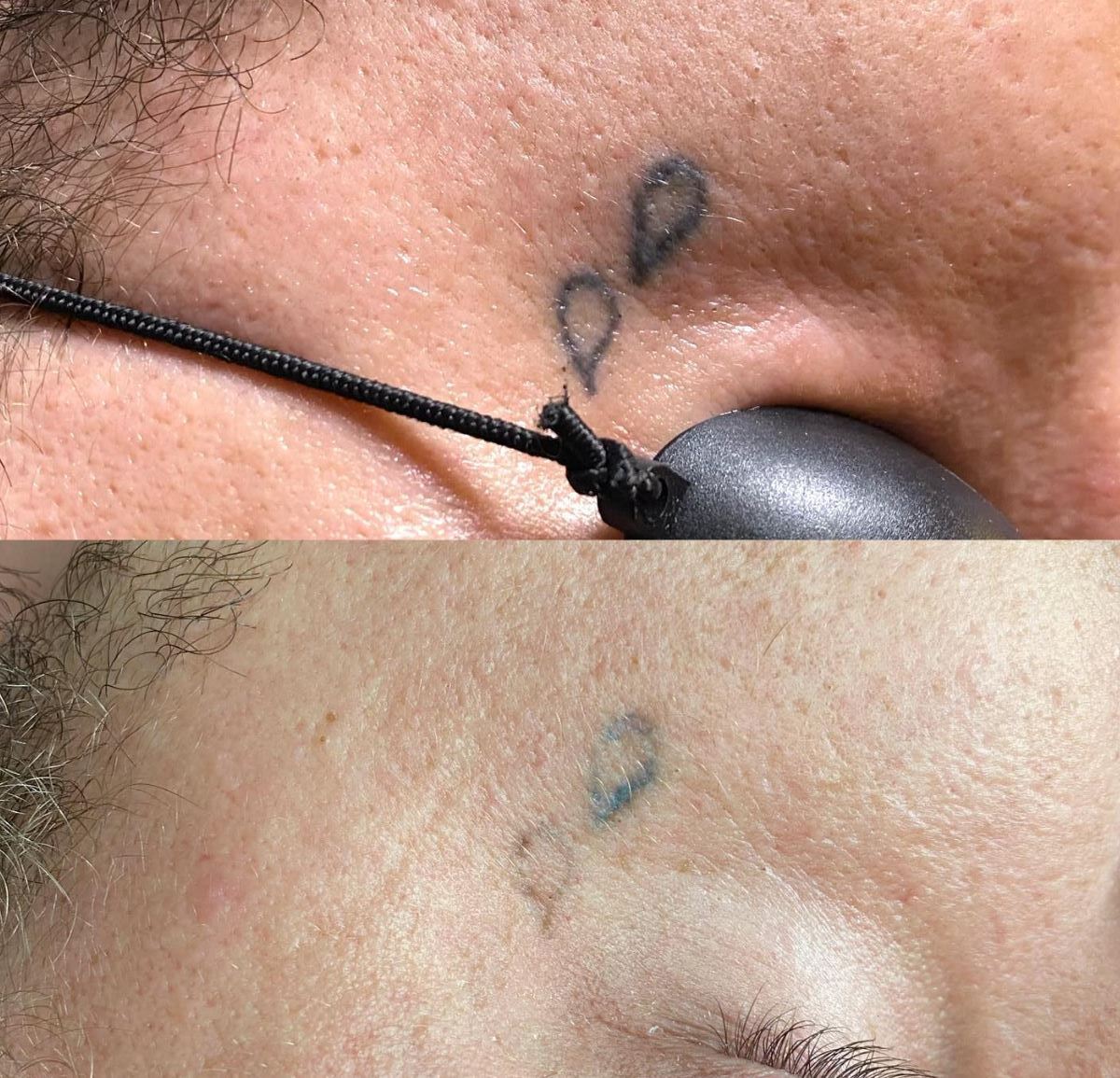
Tattoo removal safety and hygiene courses are now a must for anyone offering laser tattoo removal — whether in a clinic or home studio. The days of dodgy equipment and unregulated treatments are behind us. Today’s clients demand high standards: certified laser safety officers, proper hygiene protocols and knowledge of all tattoo types from finger tattoos to full-sleeve cover-ups. Meeting these expectations isn’t just about being professional — it’s about complying with the laws and having a safe, hygienic environment to reduce the risk of complications.

Tattoo removal training in Australia is governed by state-based regulations (like Queensland Health, Radiation Health Queensland, and South Australia’s licensing frameworks), plus national guidelines on infection control and laser device use. If you’re serious about stepping into the laser removal industry, your tattoo removal course should cover everything from basic hand hygiene to advanced skin analysis techniques — because a decent pair of gloves and a smile won’t cut it.
Understanding Tattoo Removal as a YMYL Service
Tattoo removal is a big-deal service that sits squarely in the “Your Money or Your Life” (YMYL) zone — a concept flagged in Google’s Search Quality Evaluator Guidelines. That means this is more than a beauty treatment; it’s a laser-based cosmetic procedure that affects people’s health, wellbeing, and financial investment. A slip-up in infection control or an error in your laser tattoo removal course theory training can lead to adverse health outcomes, so getting the theory and the hands-on practical training right is essential.

Why is laser tattoo removal considered a YMYL service?
- Direct health risks: burns, scarring, allergic reactions, chronic skin reactions
- Mental health: emotional stress from adverse effects or incomplete removal
- Financial investment: laser tattoo removal services can range from $100 to over $500 per session
Clients also want their practitioners — whether a cosmetic tattooist, dermal therapist, or laser tattoo removal technician — to be transparent about their training and safety protocols. That’s where the E-E-A-T (Experience, Expertise, Authoritativeness, and Trust) comes in, as highlighted in the Search Quality Evaluator Guidelines.
Essential Safety and Hygiene Standards
Infection Control: The Non-Negotiables
When it comes to laser tattoo removal procedures, infection control training is as crucial as the laser device itself. Whether you’re working in Western Australia, the Gold Coast, or a small tattoo removal clinic in South Australia, your training provider should cover:
- Hand hygiene: Thorough washing, sanitising, and safe glove removal between clients.
- Surface sanitising: Hospital-grade disinfectants used before and after every treatment.
- Waste disposal: Safe disposal of contaminated materials, including single-use items and gloves.
Courses that skip this step are as dangerous as a Class IV laser without a laser safety officer certificate.
Cross-Contamination and Practical Training
Cross-contamination prevention is a biggie. Any good laser tattoo removal course — whether it’s a face-to-face training or part of online courses — should drill into you:
- Single-use needle tips, gloves, and gauze — every time.
- Cleaning protocols for reusable equipment — including the laser apparatus.
- Evidence of infection control: documentation, photos, and checklists.
Courses that cover theory training are great, but hands-on practice in a real-world clinic environment is even better. That’s why practical training is a must — you’ll learn to manage skin exposure, understand light-based therapies like Q-switched and picosecond lasers, and get confident with Class 4 Q-Switched laser modalities.
Laser Safety Basics
Operating a laser device isn’t like pointing a torch at a mozzie — it’s a medical-grade procedure that demands proper training and certification. In Queensland, you’ll often need a laser licence and approval from the Laser Safety Committee. Courses should cover:
- Laser physics (yep, even if you hated it at school)
- Types of lasers: Q-Switched lasers, Picowave Pico Laser, vascular laser, and more.
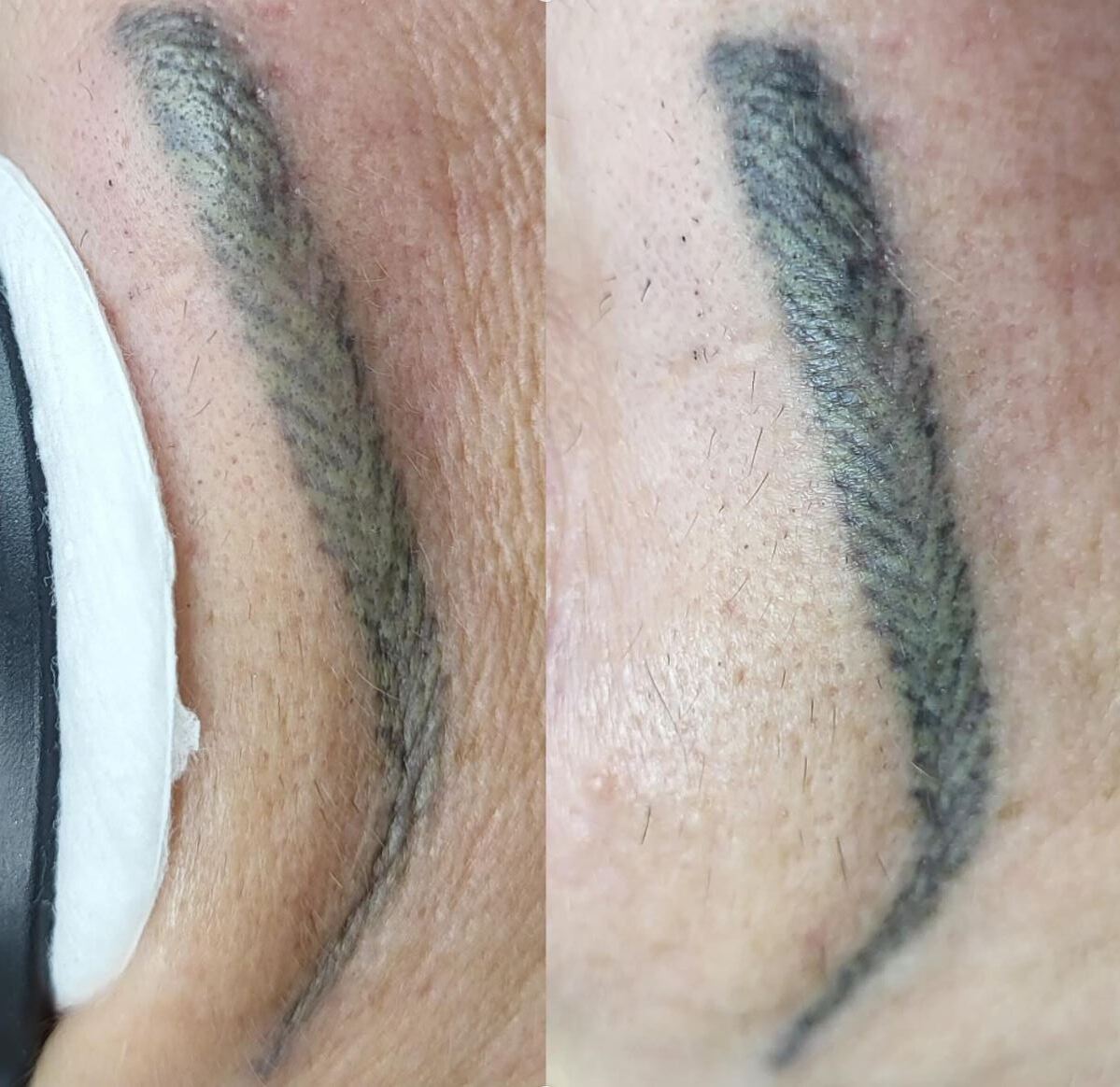
- Health risks: potential side effects like hyperpigmentation, burns, and adverse health outcomes.
- Laser safety officer training: understanding Workplace Health and Safety obligations.
This is where laser safety officers and licensing requirements come in — no clinic should be without them.
Essential Hygiene Practices
| Hygiene Practice | Why It Matters | Example |
|---|---|---|
| Hand hygiene | Reduces infection risk during laser tattoo removal treatments | Wash before gloving, after glove removal, between tasks |
| Single-use items | Prevents cross-contamination between clients | Disposable gloves, cotton buds, anesthetic cream applicators |
| Surface cleaning | Removes pathogens from workspaces and equipment | Hospital-grade disinfectant wipes after every client |
| Clinical waste disposal | Protects clients and the environment | Yellow clinical waste bins; safe disposal of used equipment |
| PPE usage (goggles, masks) | Shields both client and practitioner from laser energy and splatter | Laser goggles, face shields, laser hair removal course PPE |
Pre- and Post-Treatment Considerations
Any laser tattoo removal course worth its salt should teach you how to manage the full client journey — from patch testing and theoretical knowledge to pre & post-care post procedures.
Before the treatment:
- Detailed client assessment, including medical history, skin type, tattoo design, and potential risks.
- Client consent forms explaining adverse outcomes, common side effects, pain management strategies, and potential scarring.
After the treatment:
- Clear instructions on post-procedure care, including avoiding sun exposure and using advanced skin care products.
- Recognising signs of infection or adverse effects — and when to refer to medical practitioners or dermal therapists.
- Understanding how to manage chronic skin reactions and allergic responses.
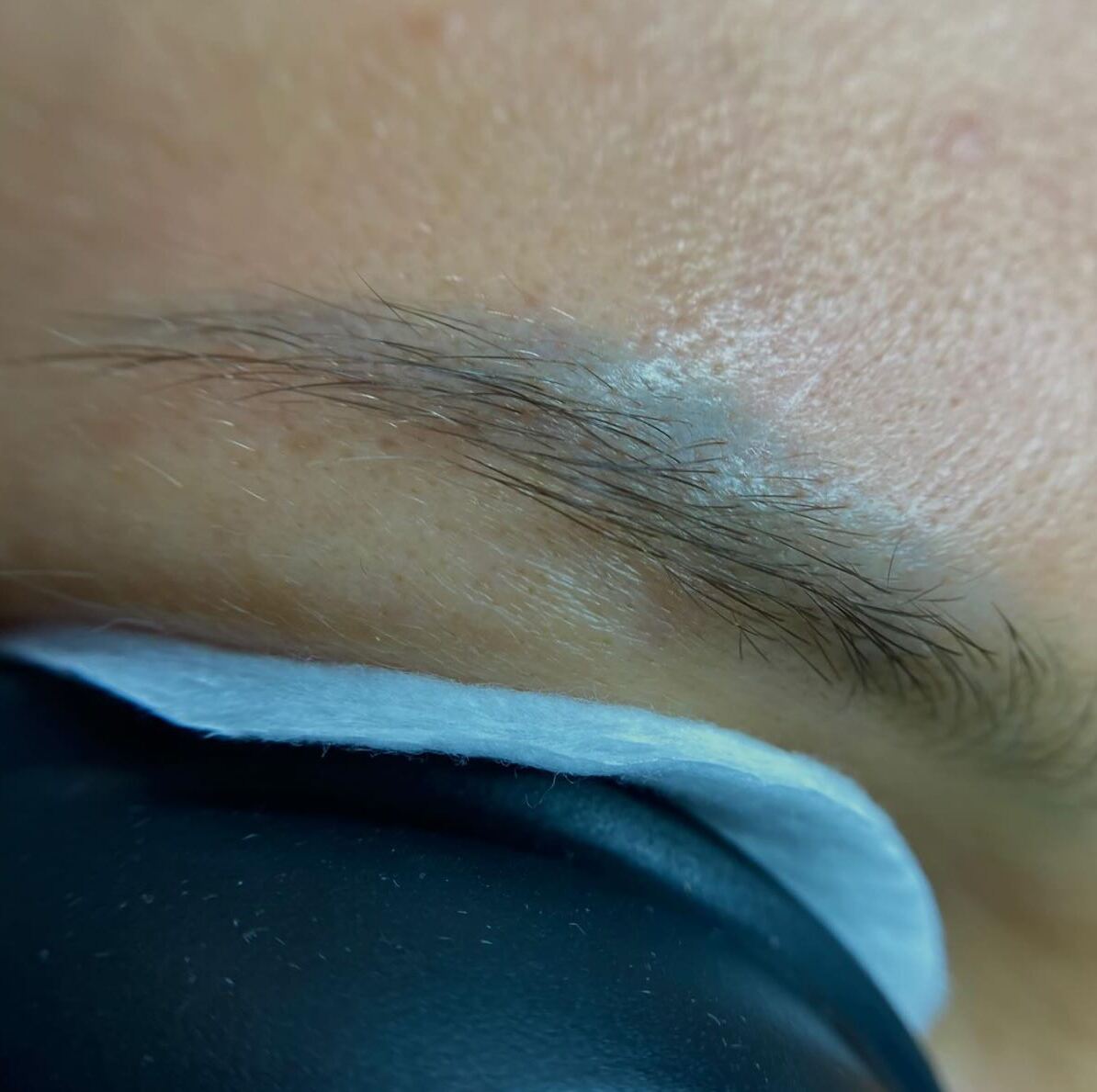
Courses should also train you to spot and manage potential side effects with duty of care, ensuring a consistent approach to skin rejuvenation and safety.
Professional Development and Business Needs
Running a successful clinic or working as a laser tattoo removal technician isn’t just about the technical side — it’s about business requirements and insurance too. Look for training providers that address:
- Business card size marketing and branding
- Client records, including assessment and consent documentation
- Insurance requirements, including medical malpractice insurance
- Cost per hour calculations, additional costs (e.g. anesthetic cream), and competitive pricing
Advanced skin analysis techniques, knowledge of light-based therapies, and even a Class 4 Q-Switched laser modalities certification can help you diversify your services — think IPL & Laser, advanced therapies, and even ablative laser treatments.
What Clients Want to Know
Today’s clients are savvy — they know about Queensland Health guidelines, Radiation Health Queensland requirements, and the importance of infection control. They’ll ask:
- “Do you hold a laser safety officer certificate?”
- “What’s your process for preventing adverse outcomes?”
- “Do you have advanced training in different laser types like Q-switched and picosecond lasers?”
- “Can you handle different skin types and tattoo designs?”
Your training should give you the confidence to answer these questions and provide effective application, theory training, and ongoing learning.
Final Reflection:
Here’s the bottom line: laser tattoo removal is more than just aiming a Q-switched laser at a faded butterfly tattoo. It’s about trust, competence, and a thorough understanding of the biological effects, anatomy of skin, and potential risks. Whether you’re in South Australia, the Gold Coast, or Western Australia, you have a duty of care to your clients — and to your reputation.
Choose a course that covers infection control training, licensing requirements, theory training, practical training, and laser safety. Look for evidence of infection control, real-life clinic experience, and a curriculum that blends theory and practical modules seamlessly. Because in this industry, a successful completion isn’t just about ticking a box — it’s about building a reputation as a competent, safe, and respected aesthetic professional.
FAQs
What’s the difference between a laser tattoo removal technician and a dermal therapist?
A dermal therapist may focus on advanced skin treatments like skin rejuvenation and light-based therapies, while a laser tattoo removal technician is trained in specific laser tattoo removal procedures, theory, and practical training. Some professionals hold both qualifications.
How do I get a laser safety officer certificate?
Complete a recognised laser safety training course approved by Queensland Health or your relevant state regulator. This covers theory training, health risks, and safe use of laser devices in clinical settings.
What if I want to offer additional services like IPL & Laser or skin rejuvenation?
Many training providers now offer modular courses that combine laser tattoo removal with IPL & Laser, skin rejuvenation, and advanced therapies. Check course outlines for specifics on laser safety, theory training, and practical application.
How can I manage adverse outcomes like burns or infections?
Your course should cover infection control training, correct laser apparatus use, and adverse effects management. You should also know when to refer to a medical practitioner for severe cases.
Is there a minimum requirement for practical training hours in Australia?
It varies by state, but most courses require a minimum number of supervised hours with class sizes small enough to allow one-on-one feedback. Always check with your local health authority and your training provider.
Want to know if your course ticks all the right boxes? Drop me a message — I’m here to help you navigate the sometimes murky world of laser tattoo removal training and make sure you’re set up for success in this contemporary, highly regulated industry.