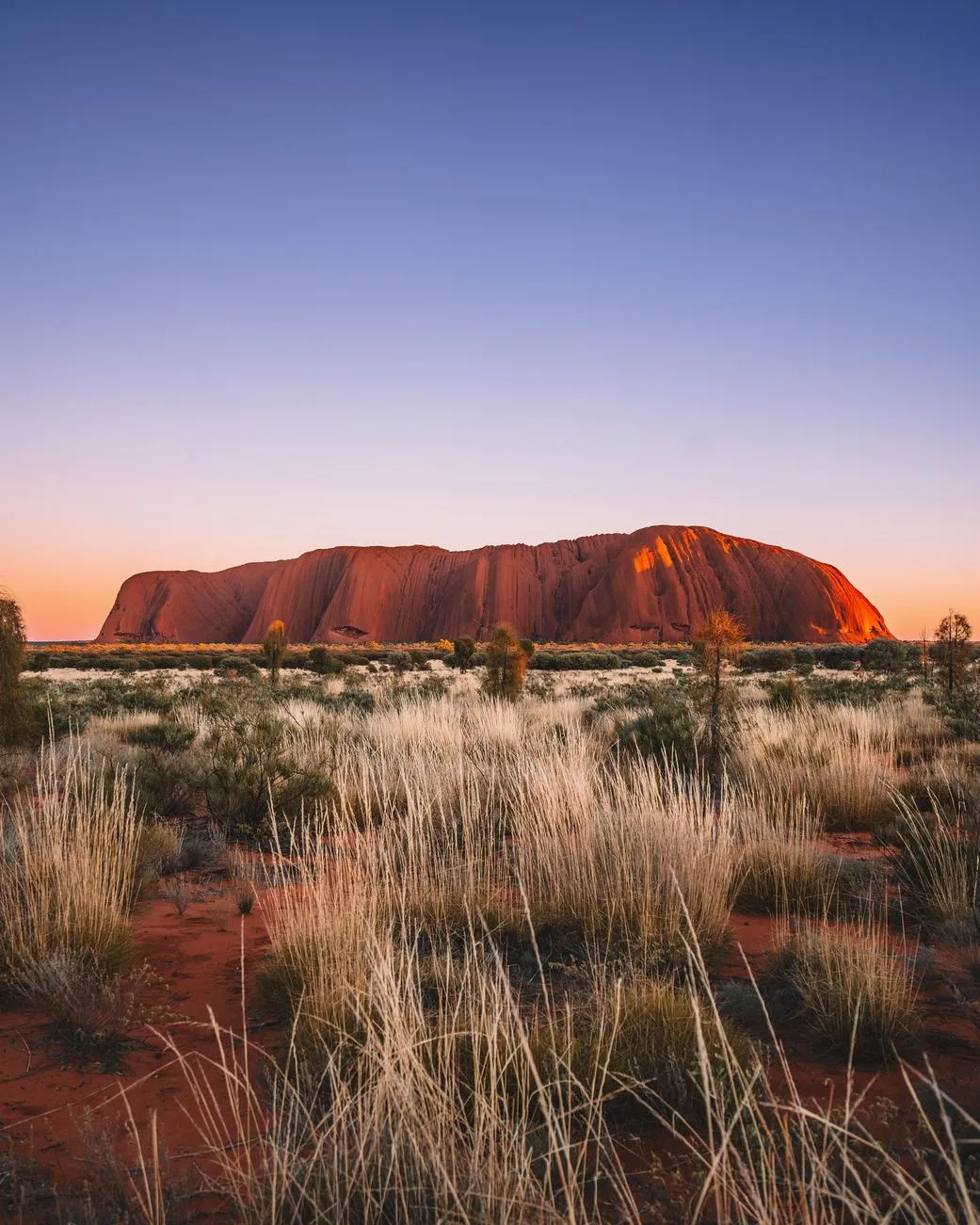
Why can’t you climb Uluru, and what does handback mean? I get asked that more often than you’d think. The climb was closed in 2019 — but that was more than just a park rule. It was a turning point for how we understand respect, culture and connection to Country.
I’m Paul Beames, and after years of leading tours through the Red Centre, I’ve met people from all over the world who all ask the same thing: why can’t we climb it anymore? The answer isn’t about restriction — it’s about recognition. It’s about learning to travel with awareness, not ego.
From Tourist Climb to Cultural Respect
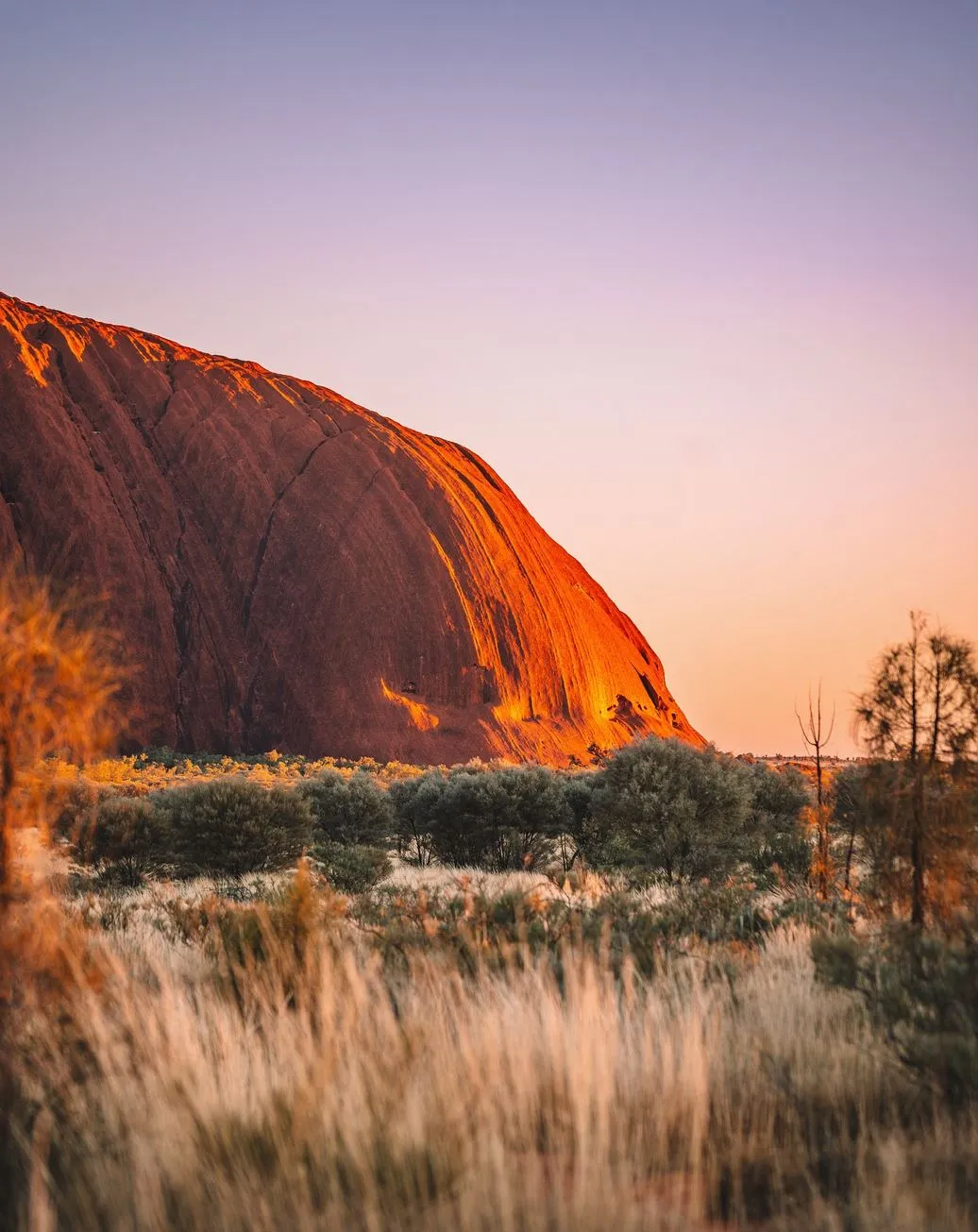
In the 1950s, scaling Uluru was a “must-do”. Visitors would haul themselves up with a chain bolted into the rock and take photos from the top like they’d conquered something. But for the Anangu people — the Traditional Owners of Uluru-Kata Tjuta National Park — that same path cuts across sacred Dreaming tracks.
As understanding grew, the conversation changed. What was once a tourist challenge became a moral question. When I first guided a 3 Day Uluru Tour with Autopia Tours, I noticed something powerful: people didn’t feel robbed of the climb — they felt enlightened by the story.
Key Milestones in Uluru’s Story
| Year | Event | Significance |
|---|---|---|
| 1950s | Climb route established | Tourism promoted without Indigenous input |
| 1985 | Uluru handed back to the Anangu people | Recognised Indigenous ownership and stewardship |
| 1995 | Climbing discouraged | Education around cultural respect began |
| 2019 | Climb permanently closed | Culmination of cultural awareness and joint decision-making |
Before the closure, around 37% of visitors still climbed despite being asked not to. Over the years, education – not enforcement – shifted that number. Today, almost every traveller I meet supports the closure. That’s progress built on understanding.
The Meaning of the Uluru Return

“Handback” refers to the 1985 ceremony when Uluru-Kata Tjuta National Park was formally returned to its Traditional Owners, the Anangu people. It was a defining act of reconciliation that recognised 60,000 years of connection to the land.
The Handback ceremony took place on 26 October 1985. Governor-General Sir Ninian Stephen handed over the title deeds to Anangu elder Bob Randall, marking the moment when ownership was restored after generations of exclusion. The rock didn’t change hands – it came home.
- The Anangu leased the park back to Parks Australia for 99 years.
- Both parties share management through a formal board.
- Traditional law, known as Tjukurpa, guides park decisions.
When Wildlife Tours first added the 3-Day Uluru Tour to their Red Centre itineraries, they worked closely with local rangers to ensure every guide could explain the meaning of Handback to guests. That’s how you build respect – through conversation, not confrontation.
Why the Climb Closed for Good
When the Uluru-Kata Tjuta Board of Management voted unanimously in 2017 to close the climb, it wasn’t sudden. It was the result of decades of patient education and community dialogue.
Here’s what led to the final decision:
- Cultural Law: The climb route crosses sacred Dreaming tracks. For the Anangu, climbing Uluru is deeply disrespectful.
- Safety: More than 35 people have died attempting the climb due to heat, dehydration or falls. With summer temperatures pushing 45°C, it was a recipe for disaster.
- Environmental Damage: The rock’s surface and base suffered erosion, waste contamination and trail scarring from decades of climbing traffic.
Since the closure, Wayoutback Tours has adapted its itineraries to focus on cultural immersion instead. Their 3-Day Uluru Tour now spends more time on ranger-led base walks and storytelling with Anangu guides – proving that understanding can be just as thrilling as a climb.
Red Centre Without the Climb
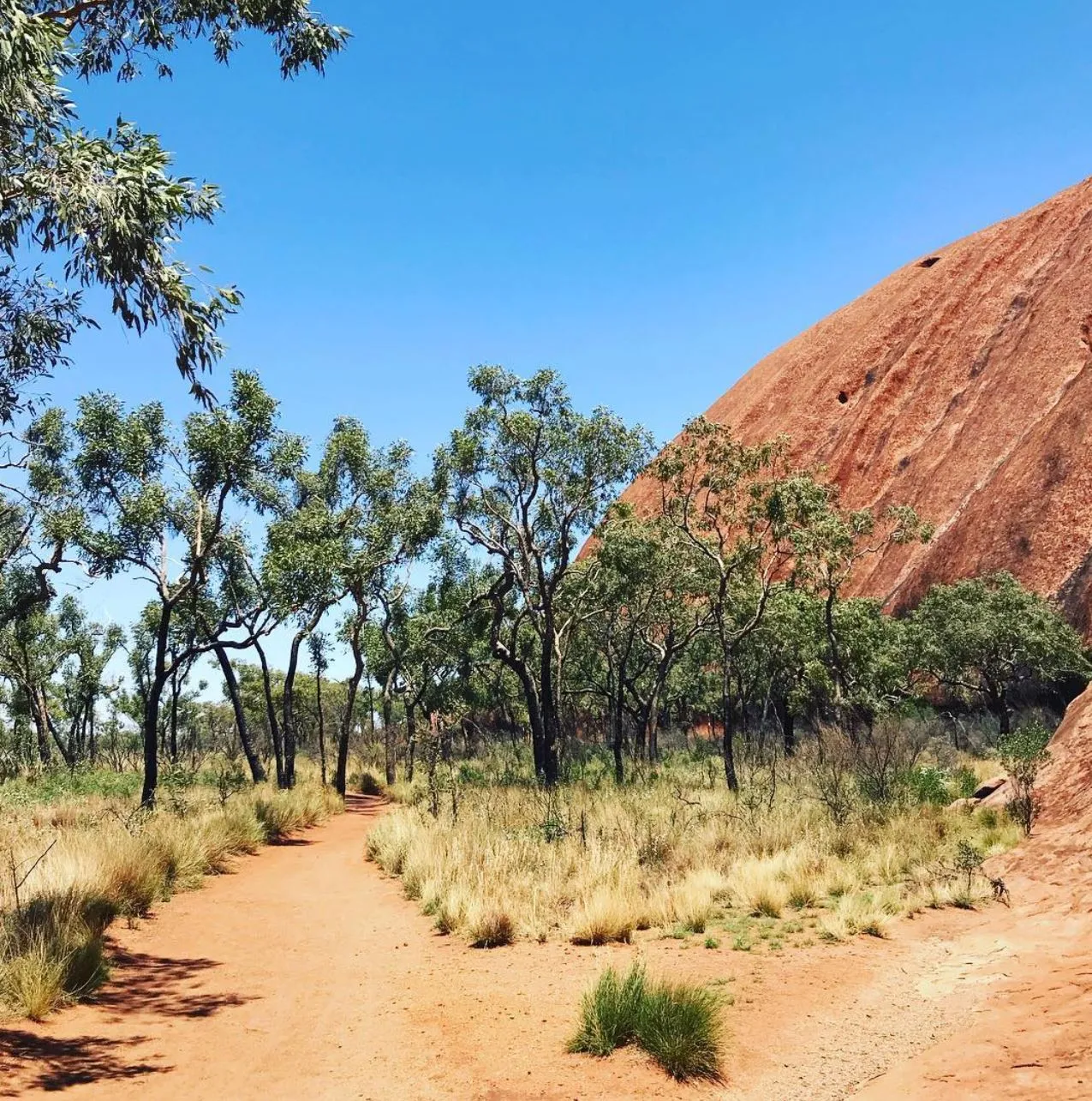
Standing at the base of Uluru at sunrise, you realise you don’t need to be on top of it to feel its power. Every ripple of colour, every shadow, carries story and spirit.
If you’re planning to visit, here’s how to experience it properly:
- Base Walk (10.6 km loop): A full-circle journey revealing ancient rock art, caves and waterholes. Go early before the heat.
- Mala Walk: Guided by Anangu rangers who share the Dreaming story of the Mala (rufous hare-wallaby) people.
- Talinguru Nyakunytjaku Lookout: Best vantage point for sunrise and sunset views of both Uluru and Kata Tjuta.
- Cultural Centre: Your essential first stop. Learn about Tjukurpa and why certain sites remain off-limits to cameras.
When we run Get Lost Travel Group tours here, we make time for quiet. Not silence out of awkwardness — silence out of respect. It’s a kind of listening that sticks with you long after the desert dust washes off.
The Spirit of Joint Management
Uluru-Kata Tjuta National Park is a model of joint management, where Anangu Traditional Owners and Parks Australia work side by side. The park’s Board has eight Anangu reps and four government reps, all guided by one principle: protect Country and culture together.
Every decision — from track maintenance to visitor permits — goes through both lenses: scientific and cultural. It’s a delicate balance, but it works.
I remember watching a joint ranger meeting while tagging along on a 3-day Uluru Tour inspection run. The discussion wasn’t about what to ban — it was about how to share knowledge safely. That’s joint management in action: conversation, cooperation and mutual respect.
Respect Over Restriction
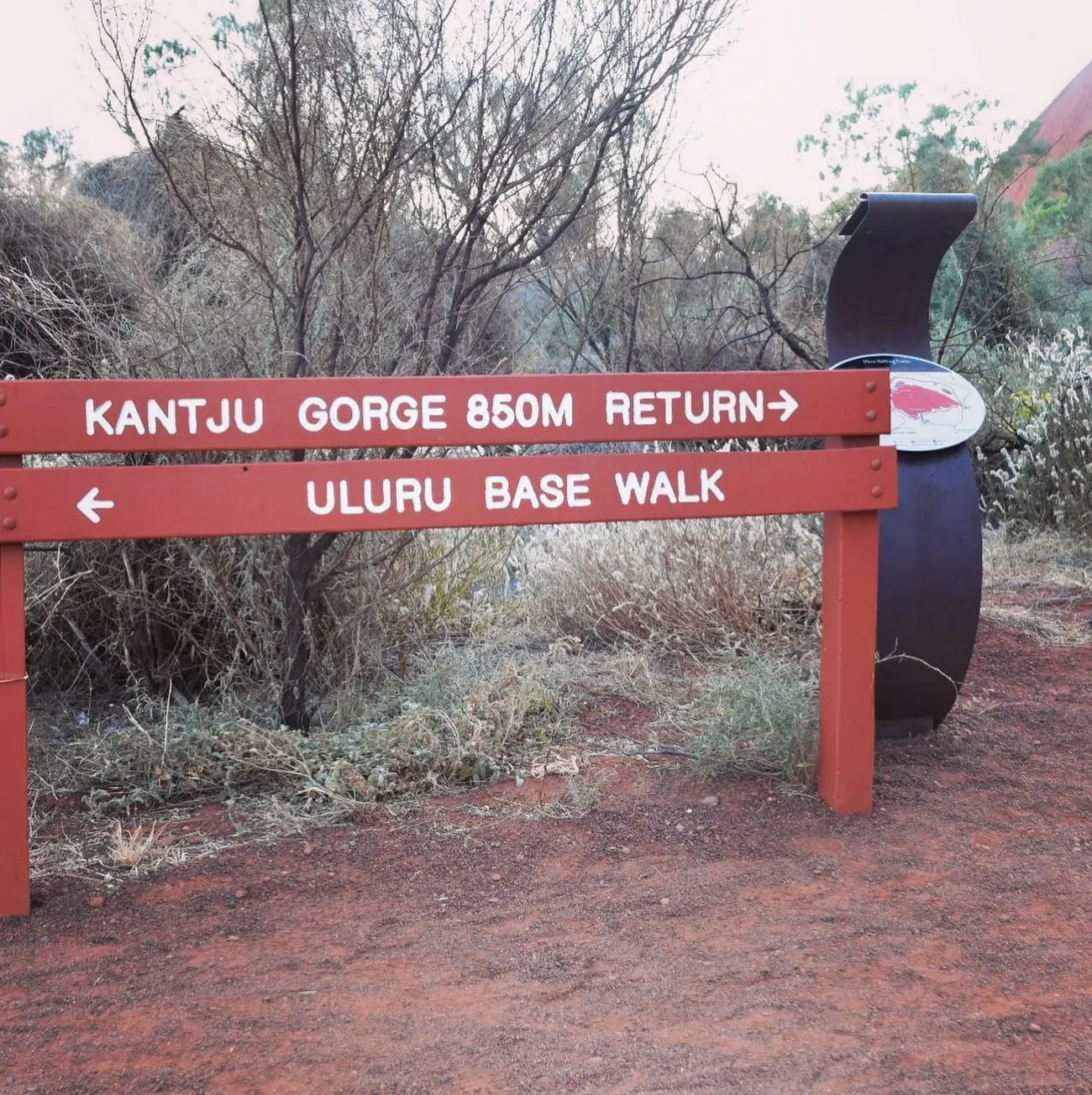
The Handback didn’t just change how we see Uluru — it changed how we approach sacred landscapes across the nation. It was a quiet revolution that rippled through places like Kakadu, Nitmiluk and the Kimberley.
- Listening comes first. Change only sticks when we understand why.
- Cultural law and science often align. Both want to care for the Country.
- Tourism can be a bridge, not a bulldozer 90% of visitors agree.
Plan Your Visit Right
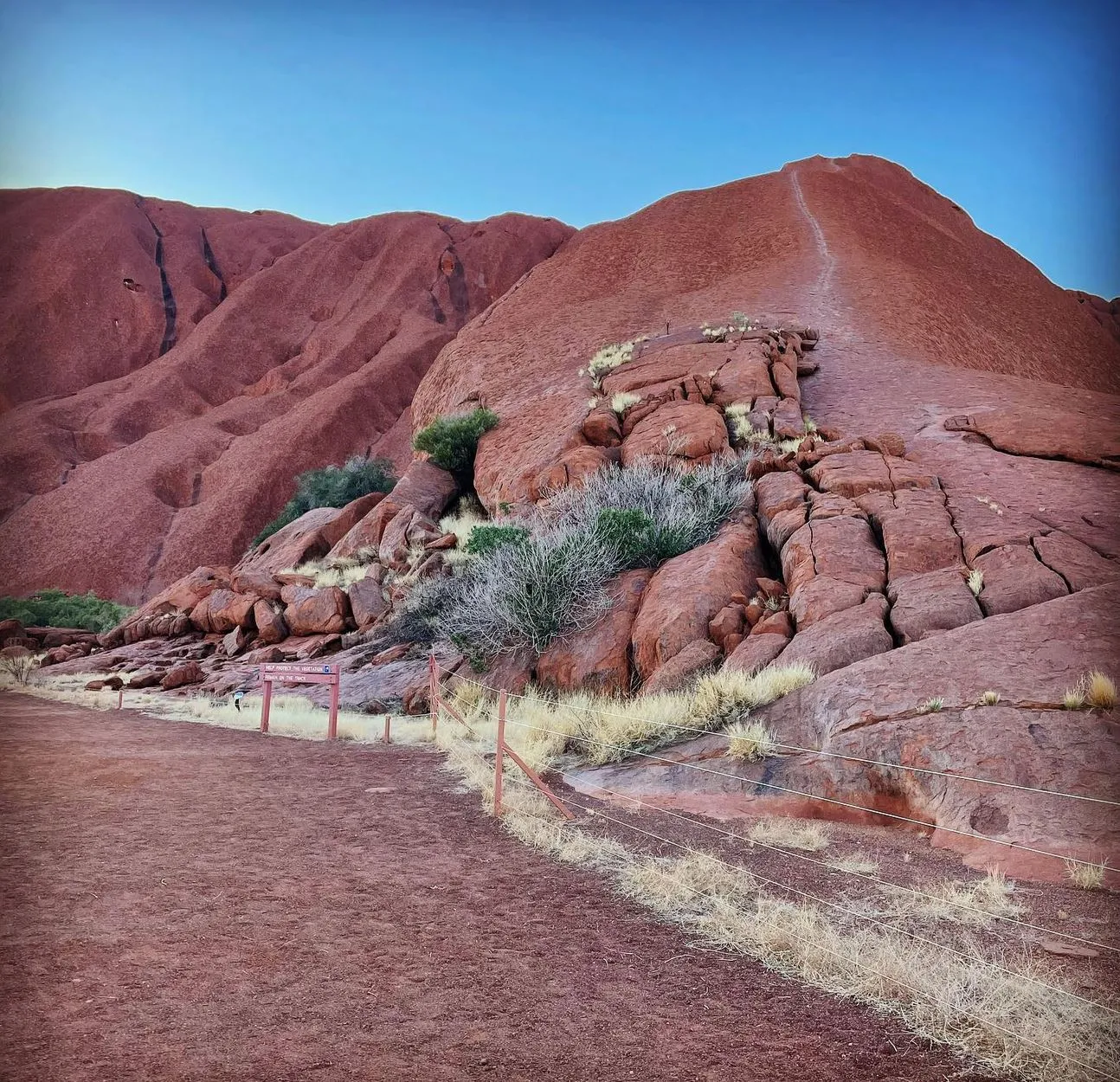
You don’t wing a trip to Uluru. Out here, the distances are big, the heat is real, and preparation is everything.
Quick Tips
- Park Pass: Get your NT Parks Pass online. It’s 3 days and supports local conservation. Kids under 18 are free.
- Best Time: April to October — cooler days, crisp nights and fewer mozzies.
- Watch the Weather: The rock gets hot. I’ve seen people burn their hands on railings by midday.
- Respect Cultural Protocols: Some sites are sacred and off limits to photos. Always check the signs.
- Safety First: Carry plenty of water and don’t walk after 11 am in summer.
Whether you join a 3-Day Uluru Tour with Wayoutback Tours, jump on Wildlife Tours’ camping loop or explore with Autopia Tours, you’ll find each operator has one goal — to show you the rock with respect and authenticity.
Final Thoughts: Walking Together on Country
Today, Uluru is chain-free and somehow more alive than ever. The desert is quieter, the stories are louder.
The closure wasn’t the end of the adventure — it was the start of understanding. Every visitor who takes the time to walk the base, share a yarn with an Anangu guide or join a 3-Day Uluru Tour that respects these traditions is part of that ongoing story.
If you’re coming this way, come prepared to learn, to listen and to walk gently on Country. The rock doesn’t need your footprints — just your respect.
Got your own Outback yarn or Uluru memory? Leave it in the comments — I’m always updating our field notes for future visitors.
FAQ
Can you climb Uluru now?
No. The climb has been closed permanently since 26 October 2019.
What does “Handback” mean?
It’s the term for the 1985 event when ownership of Uluru-Kata Tjuta National Park was returned to the Anangu people.
Is it disrespectful to walk around Uluru?
No — the base walk is encouraged. Some sections are sacred and photography is restricted, so always follow park rules.
Why was the climb deemed unsafe?
Steep inclines, high temperatures and strong winds caused dozens of deaths and many injuries over the years.
How is the park managed now?
Through joint management between Anangu and Parks Australia, balancing cultural preservation, ecology and visitor access.