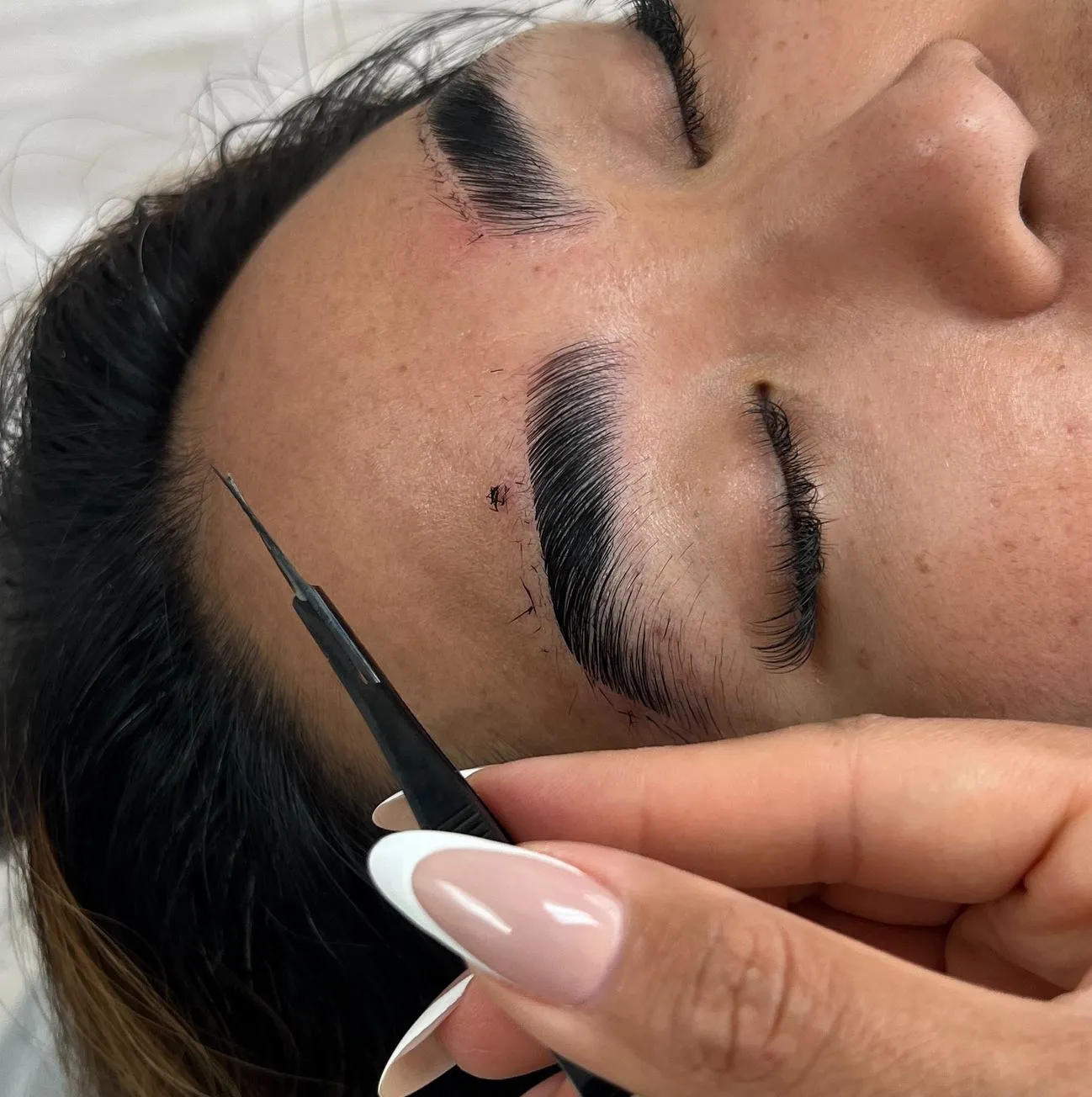
Fine line tattoos are a hot trend in the tattoo industry, known for their delicate, detailed work and minimalistic designs. Unlike traditional tattoos, fine line requires a high level of precision, experience and a steady hand. Finding a good fine-line tattoo artist is key to getting the best results. If you’re an aspiring tattoo artist, a fine-line tattoo course will help you master the art and build a foundation in this niche.
1. Research and Define Your Style
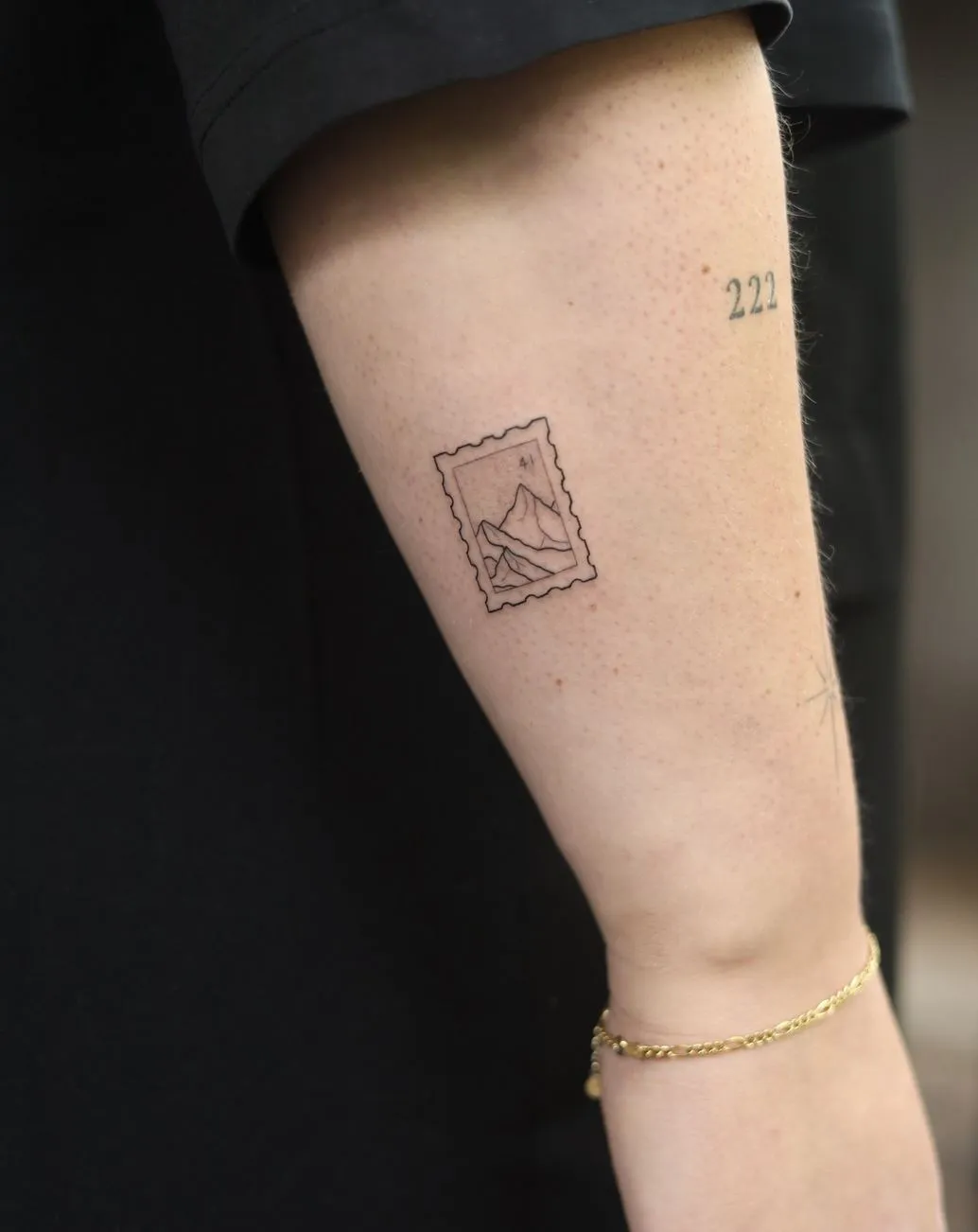
Before you start looking for a fine line tattoo artist, you need to know what style you want. Fine line tattoos come in many forms:
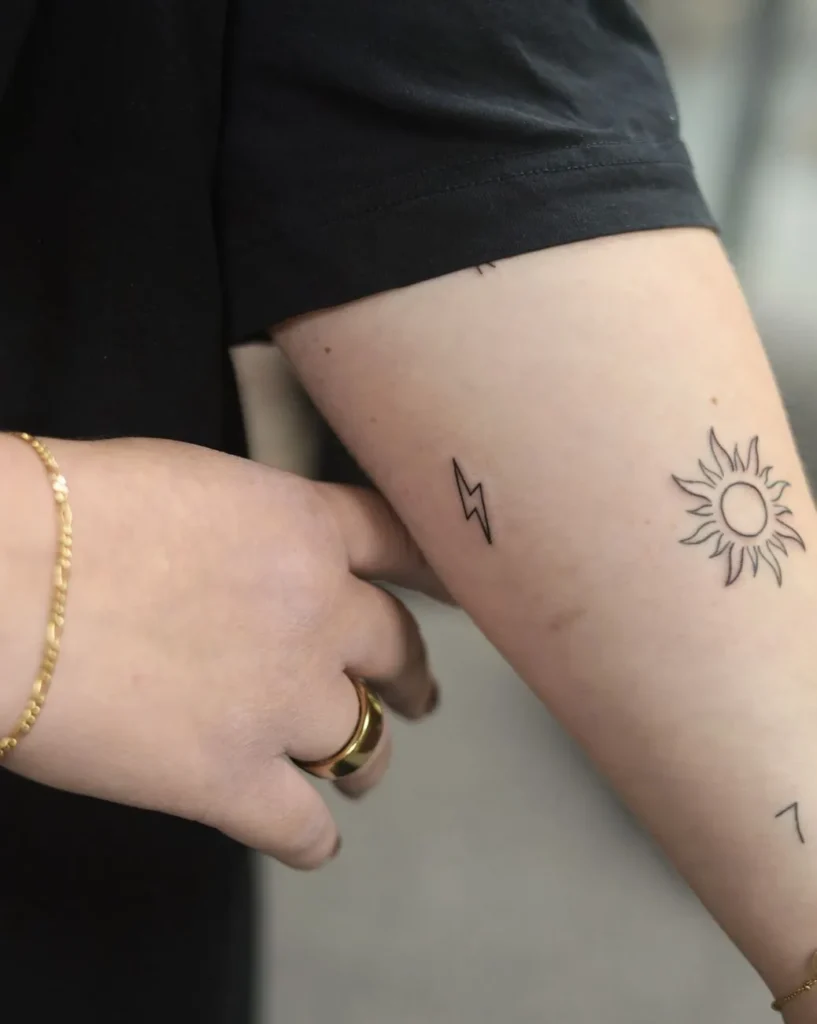
- Minimalist designs
- Geometric patterns
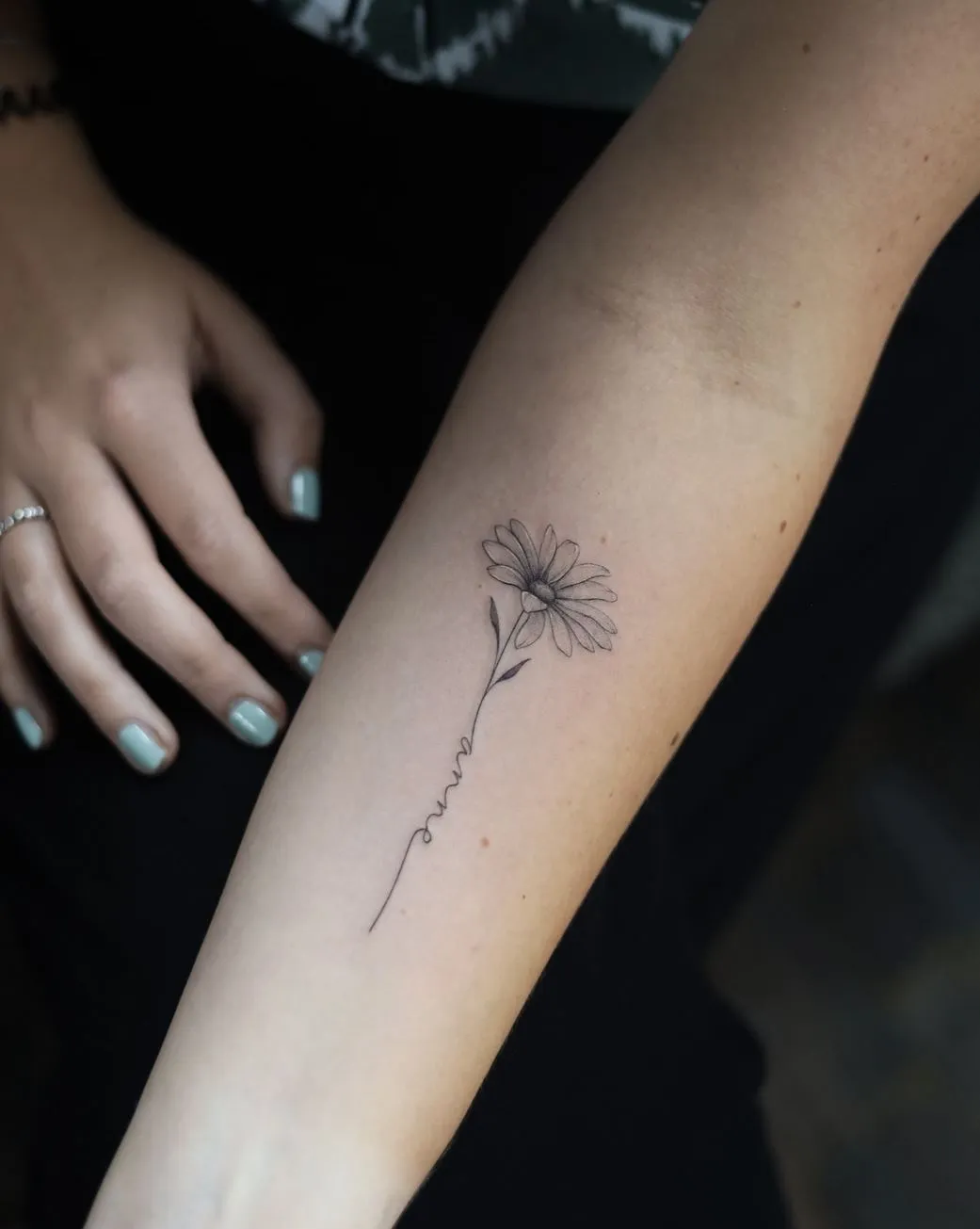
- Botanical or floral tattoos
- Portraits with subtle shading
- Lettering and script tattoos
Having a clear idea of what you want will help you find an artist that specialises in that type of work. Custom designs and intricate patterns are popular for those wanting a timeless piece. If you want to learn more about this art form, taking a fine-line tattoo course will give you a deeper understanding of techniques and best practices.
2. Check Portfolios and Social Media
A good fine-line tattoo artist will have a portfolio of their work. Here’s how to assess an artist’s skill:
- Look at their Instagram or website for fine-line tattoos.
- Check their lines are crisp, clean and not shaky.
- Look for healed tattoo photos to see how their work holds up over time.
- Check reviews and testimonials from previous clients.
- Look for female tattoo artists or a female-owned tattoo studio if you prefer a certain style.
3. Read Reviews and Testimonials
Reviews can give you a glimpse into an artist’s skill, professionalism and hygiene practices. Look for reviews on:
- Google Reviews
- Yelp
- Tattoo forums and community pages
Pay attention to the feedback on the tattooing process, pain level, aftercare and overall tattooing experience. A good tattoo artist will have a reputation for attention to detail and following safety guidelines.
4. Ask About Experience and Specialization
Not all tattoo artists do fine-line work. When looking at an artist, ask:
- How long they’ve been doing fine line tattoos
- If they have formal training in this style
- What techniques and tools they use to get the lines (e.g. single needle, thinner needles, thicker needles)
Experienced artists with a high level of skill in fine-line tattooing will be more likely to deliver the delicacy required for these designs. Many artists take a fine-line tattoo course to hone their skills and stay up to date with industry trends. If you’re an aspiring tattoo artist, a fine line tattoo course will help you master the art and build a foundation in this niche.
5. Visit the Studio and Check Hygiene Standards

A good tattoo artist will work in a clean and professional environment. When you visit a tattoo shop, check for:
- Proper sterilization of equipment
- Single-use needles and gloves
- Overall cleanliness of the studio
- Licensing and health certifications
Hygiene is key to preventing infections and a safe tattooing experience. Pay attention to the vibe and commitment to hygiene standards.
6. Consultation and Customization
Before you commit to an artist, schedule a consultation. A good fine line tattoo artist will discuss:
- Your tattoo idea, design and placement
- Adjustments to make it last and look better
- Healing process, aftercare routine and diligent aftercare steps
- Skin types, sensitivity and how sun exposure affects tattoo designs
This meeting allows you to see how they communicate and if they get your vision. Many artists will also provide custom tattoo sketches to refine the design before the tattooing process begins.
7. Compare Pricing and Availability
Fine line tattoos require skill and precision so pricing will vary depending on the artist. While price is a factor don’t choose an artist based on low prices. Instead weigh their skill, reputation and the quality of their work. Get an accurate quote for your piece of art so you don’t get any surprises later.
Experienced fine-line tattoo artists may have long waiting lists. If an artist is booked for months in advance it’s usually a good sign they are in demand for their skill and artistry. Many reputable artists have an online booking system or a free no-obligation consultation to discuss the process.
8. Look at Healed Work

Fresh tattoos look great but how they heal is what really matters. Ask the artist for healed tattoo photos to see how their work holds up over time. This will ensure the fine lines remain sharp lines and don’t blur or fade prematurely.
A good tattoo artist will also provide detailed aftercare instructions including how to care for sensitive skin and how to avoid sun exposure to keep the tattoo vibrant over time.
Conclusion
Finding the right fine line tattoo artist takes research, time and consideration. By following these steps—looking at portfolios, reading reviews, checking hygiene and talking to artists—you can find an expert who will bring your tattoo to life with precision and skill. Investing in a good tattoo artist means you get a beautiful piece of art that will last forever.
Whether you want a butterfly tattoo, a continuous line tattoo or an intricate floral design the right artist will make your tattoo both body art and life tattoo experience. Try out different tattoo studios, discuss your dream tattoo in a design consultation and spend an afternoon tattooing with an artist who prioritises your comfort and natural beauty.
FAQ
What’s the difference between a fine-line tattoo and a traditional tattoo?
Fine-line tattoos use thinner needles and require more detail, so the design is more delicate and intricate compared to traditional tattoos.
How long does a fine-line tattoo take to heal?
A fine line tattoo usually takes 2-3 weeks to heal but full healing can take up to a month depending on aftercare and skin type.
Do fine-line tattoos fade faster than other tattoos?
Fine line tattoos can fade slightly faster than bolder designs but proper aftercare and sun protection can help preserve their longevity.
Is getting a fine-line tattoo more painful than a regular tattoo?
Pain levels vary from person to person but fine line tattoos are generally less painful since they use fewer needles and less skin trauma.
How do I find a reputable fine-line tattoo artist?
Look for an artist with a strong portfolio, good reviews, good hygiene standards and experience in fine-line tattooing. A consultation will help you know if they get your vision.