Most travellers don’t expect the question “How many species of whales are in the Great Barrier Reef?” to set off such a spirited story, but after spending one dry season along the Queensland coast, you’ll see why it keeps popping up. This stretch of Australian water isn’t just home to coral reefs, hard and soft corals and reef ecosystems – it’s also a major highway for marine mammals cruising through the Coral Sea. After all these years guiding trips through the Great Barrier Reef Marine Park, I’ve seen how quickly a peaceful morning on the water can turn into being right on the front row for the migration patterns of those Cetaceans.
The Big Migrators Show Up Every Dry Season
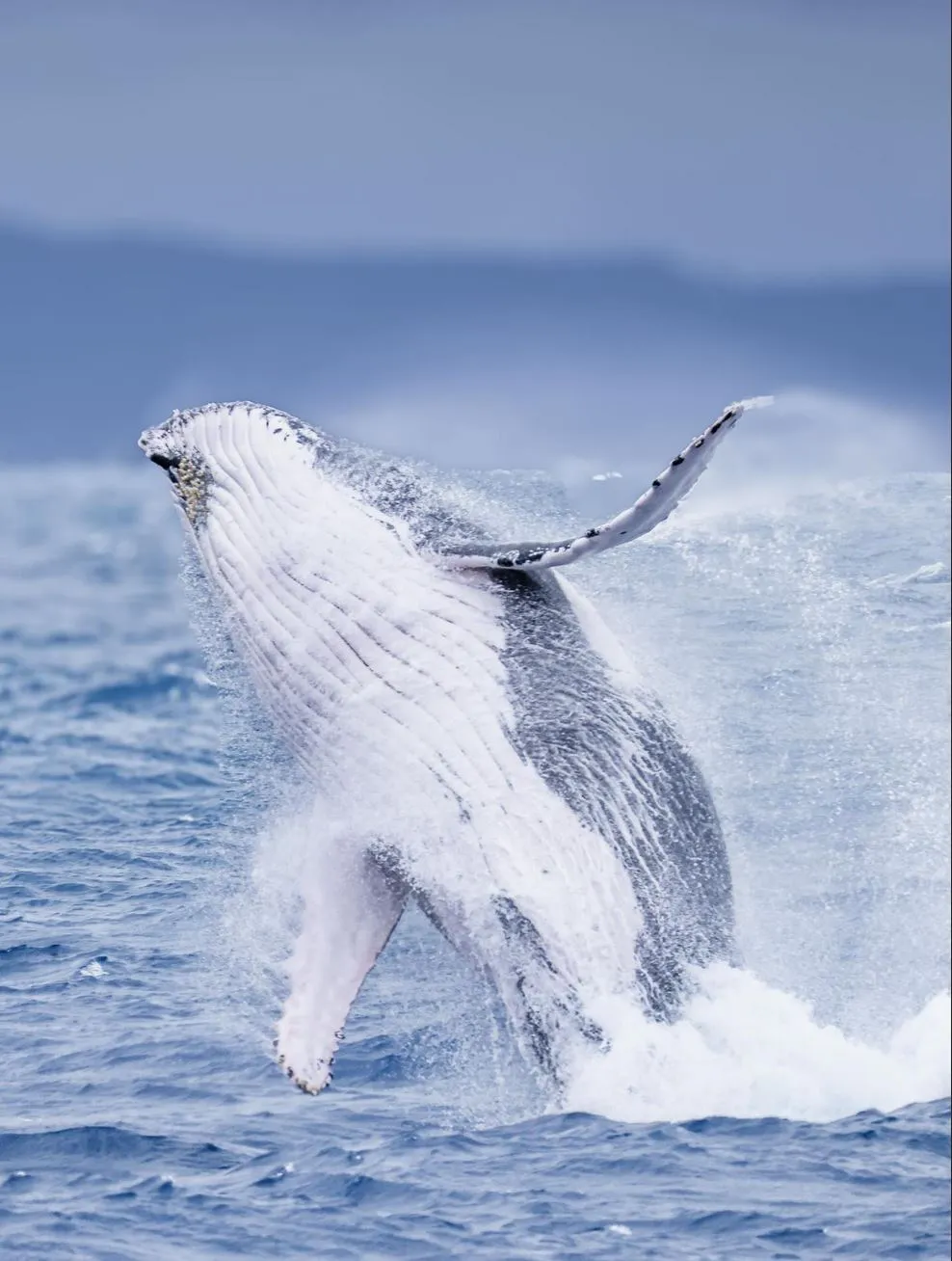
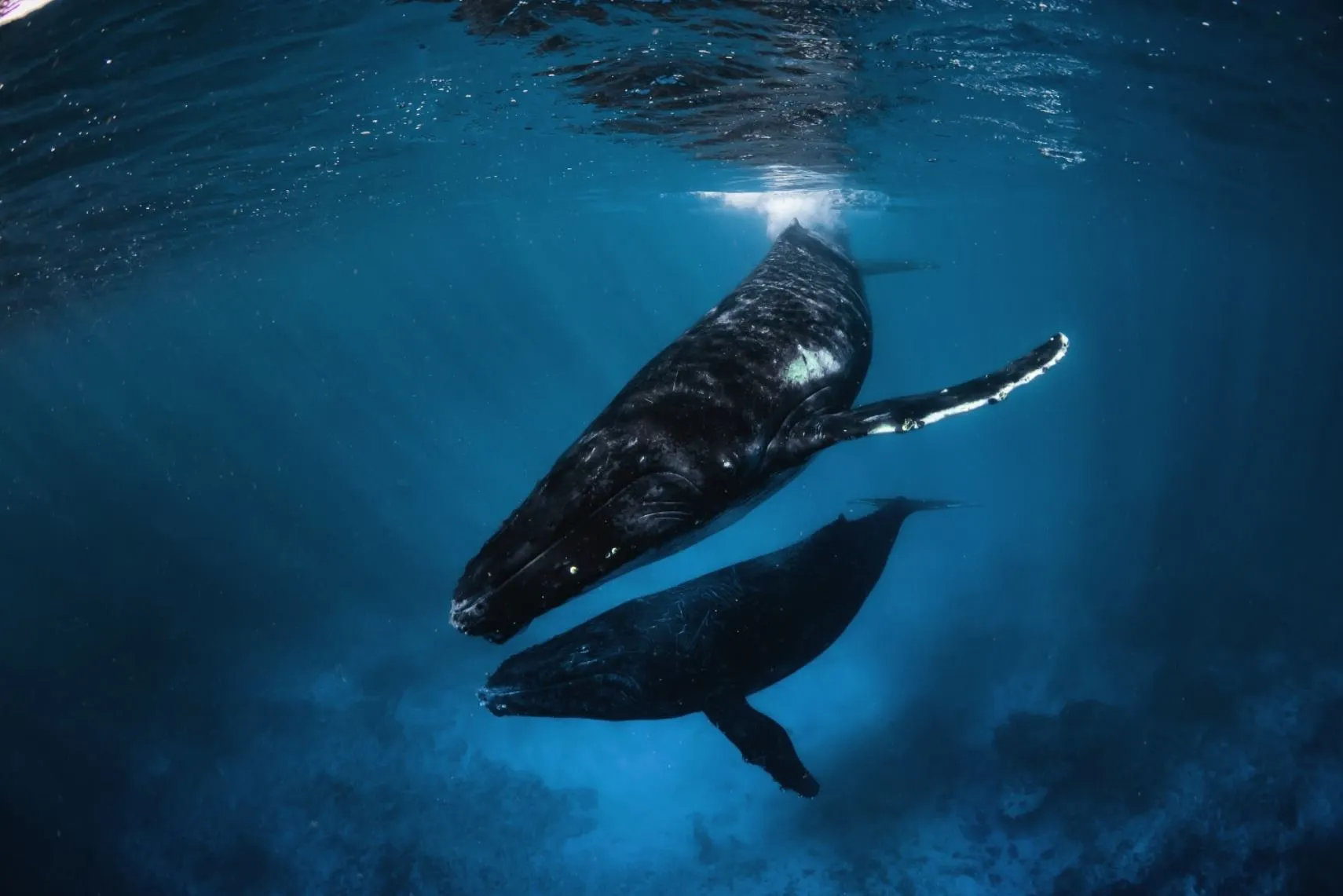
The dry season is when things really start to liven up. Once the southeasterlies settle in, the Coral Sea turns into a superhighway for marine mammals. And guess who’s the most famous of the bunch? The Humpback whale – it’s up north for breeding season, with the adults, the young ‘uns and later on, mothers with their babies all making an appearance.
These massive migrations are a big deal – they’re not just some pretty backdrop for tourists, they’re a reminder that the reef ecosystem goes way beyond all those coral polyps and brain-structured corals that get all the attention. The people who run the Marine Park keep a close eye on all these movements, partly for biodiversity and partly to make sure that ship operators keep things quiet and don’t get in the way of too many whales as they try to rebuild their numbers.
Where to Spot Large Marine Mammals
Whale sightings all depend on where you happen to be cruising. More often than not, you’ll spot marine mammals along the outer reef edges where the deep water starts to get close to the edge of the continental shelf. This steep drop off is basically a natural highway that lets coral cays, seagrass beds and offshore feeding grounds connect, and that’s why you’ll often see loads of boats out near the Ribbon Reefs or on the run to the Whitsunday Islands.
The Great Barrier Reef Marine Park isn’t some uniform landscape – it’s a piecemeal bunch of different habitats all mixed together – from seagrass zones where young fish grow up to those hard and soft coral structures and deep channels carved out by shifting currents. And it’s in these different areas that the marine species show up, and whales tend to hang around just off the outer reef, where there’s enough room to move about.
Nowadays, we reckon there are around 30-33 species of whales and dolphins moving through the broader Great Barrier Reef Marine Park – including several baleen whales, toothed whales and just a few deep divers that only show themselves now and then. It’s a number that takes most people by surprise since you usually only spot a handful on any one trip – but they’re out there moving through the water, supposed to be empty blue.
Why Ocean Conditions Really Make a Big Difference
Even if you’ve got plenty of whales in the water, the ocean still usually gets its own way. One minute you’ve got a full-grown humpback, the next – crunch time – and the rough seas come rolling in & you can’t even see the thing behind all the whitewater. Then you get a picture-perfect winter day, and – oh boy – you can spot the tell-tale blow from a kilometre away, just drifting lazily along the horizon like some smoke signal, welcoming the world to come and take a look.
Water quality & visibility are constantly changing, too. So rainy days with a ton of run-off in the water can make the coast look a real mess, clouded up & whatnot. But out in the deeper waters, beyond the murky stuff, then you get to see the beautiful, clear blue water of the Coral Sea, that deep sapphire colour that makes every fish’s dorsal fin pop out like a shiny little button. And some researchers reckon shipping traffic might even be generating enough underwater noise to mess with the way marine animals move around certain parts of the reef. Both the Queensland & Aussie Governments are keeping a close eye on that, just as part of the long game for reef conservation.
The Species Everyone Always Talks About
If you ask any reef guide to name the marine species that the visitors can actually spot, they’ll probably reel off the same old list every single time. These are the stars of the show – the ones you’re most likely to see while cruising between reefs or floating around the outer shelf.
Here’s a quick breakdown of key species confirmed in Australian waters and known to move through or near the reef system:
| Whale Species | Type | Notable Traits | Verified Source |
|---|---|---|---|
| Humpback Whale (Megaptera novaeangliae) | Baleen | Acrobatic, famous for breaching | Wikipedia |
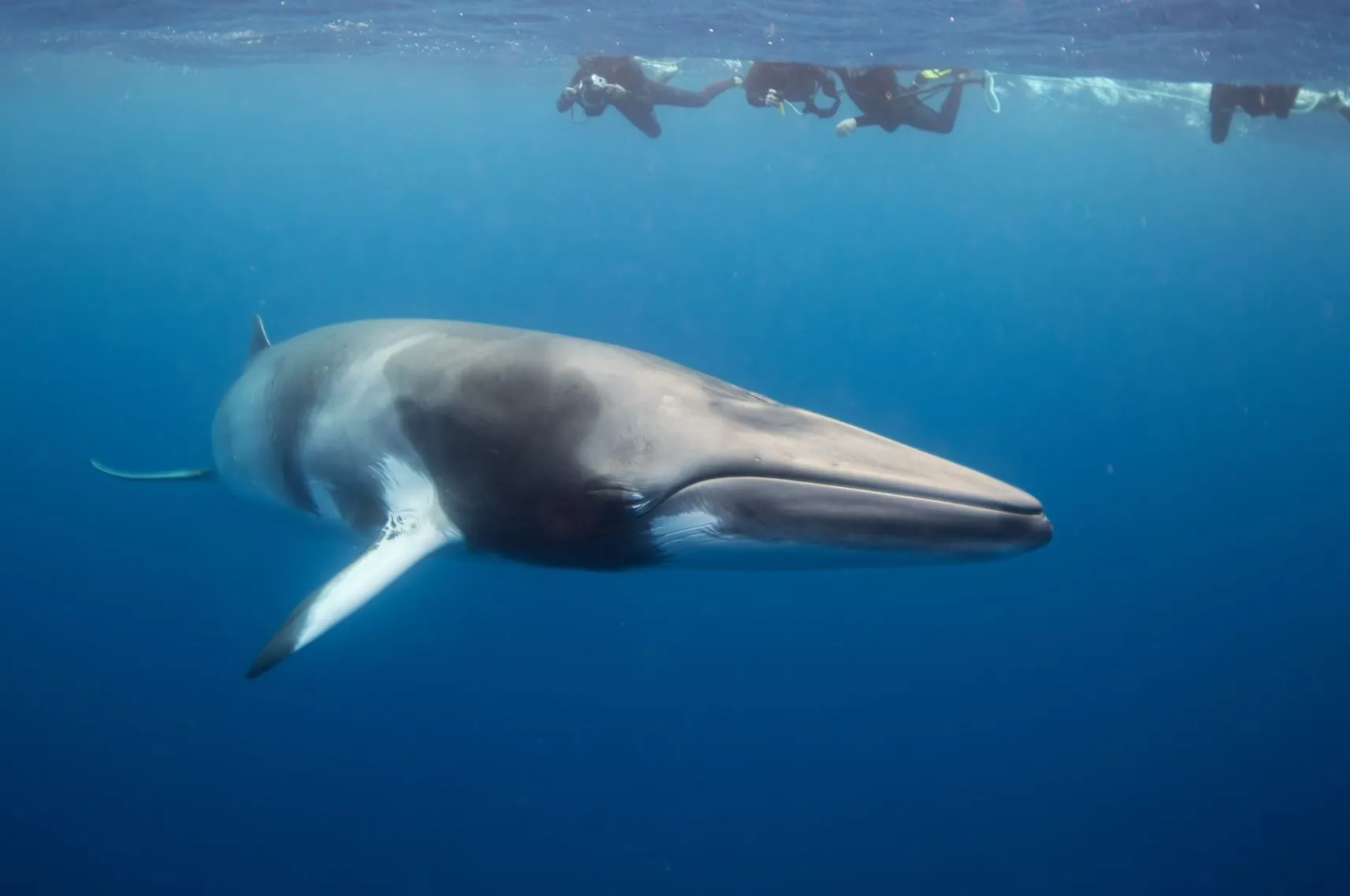
| Dwarf Minke Whale (Balaenoptera acutorostrata subsp.) | Baleen | Curious about boats | Wikipedia |
| Sperm Whale (Physeter macrocephalus) | Toothed | Deepest-diving large mammal | Wikipedia |
| Blainville’s Beaked Whale (Mesoplodon densirostris) | Toothed | Rare, elusive | Wikipedia |
| Cuvier’s Beaked Whale (Ziphius cavirostris) | Toothed | World-record deep diver | Wikipedia |
These species represent only a fraction of the region’s whale and dolphin diversity, but they form the backbone of most travellers’ encounters.
Humpbacks: The Showboats Of The Reef
If one species has got down to a fine art of putting on a show, it’s the humpback. These acrobats of the Coral Sea are always putting on a display – leaping and rolling and slapping their tails, all while singing their hearts out like they’re trying to win over the judges on some wild reef talent show. I once got some poor humpback breach so close to the boat that half the passengers forgot to scream as a giant splash drenched them – just another typical dry-season chaotic moment.
They migrate right past the reef in tens of thousands every winter, heading up the coast to calving grounds off the Queensland coast. Calm weather is always your best chance of spotting them, especially around July and August, when the humpback population peaks in the Marine Park.
Dwarf Minke Whales – The Inquisitive Visitors Of The North
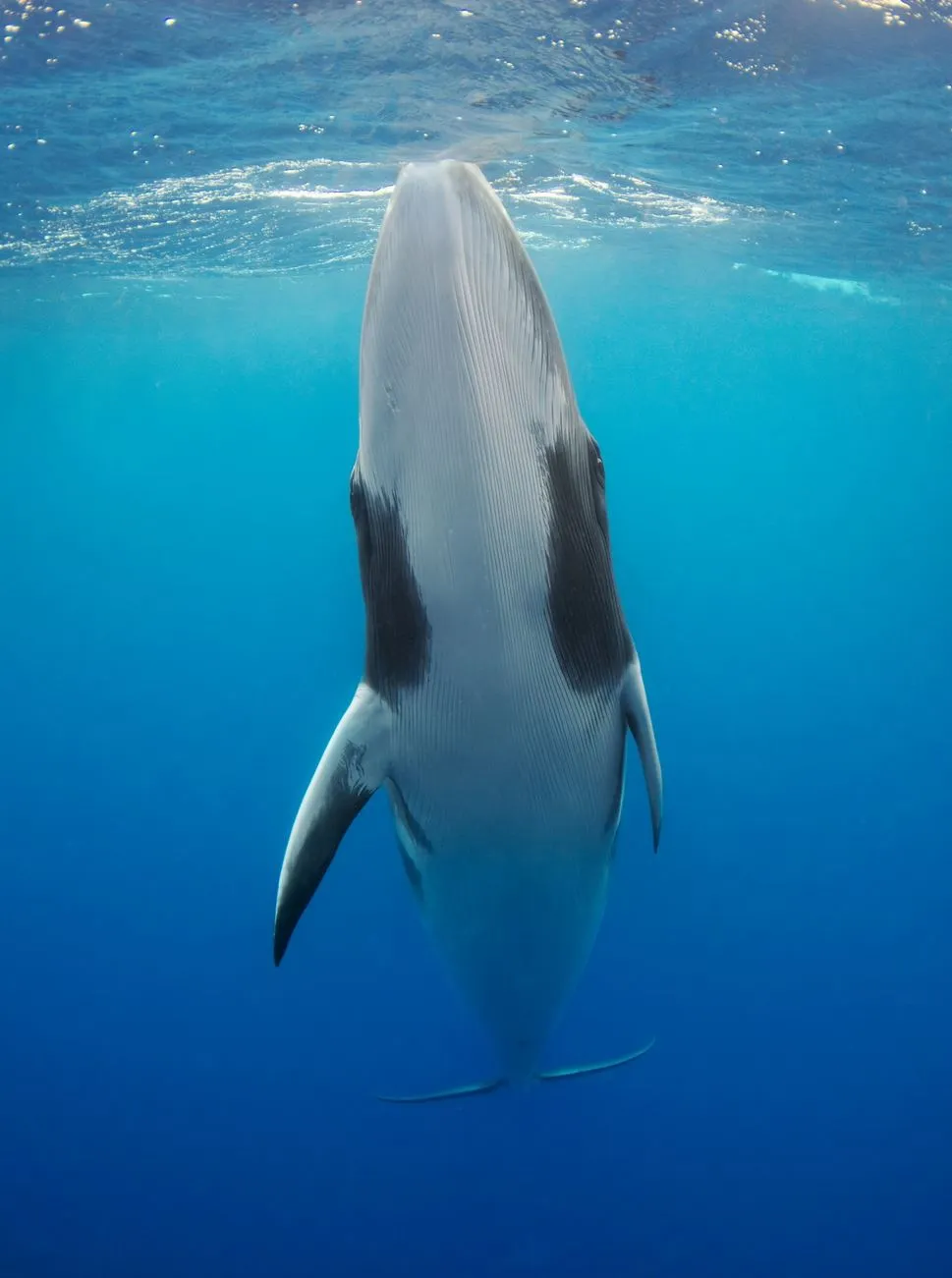
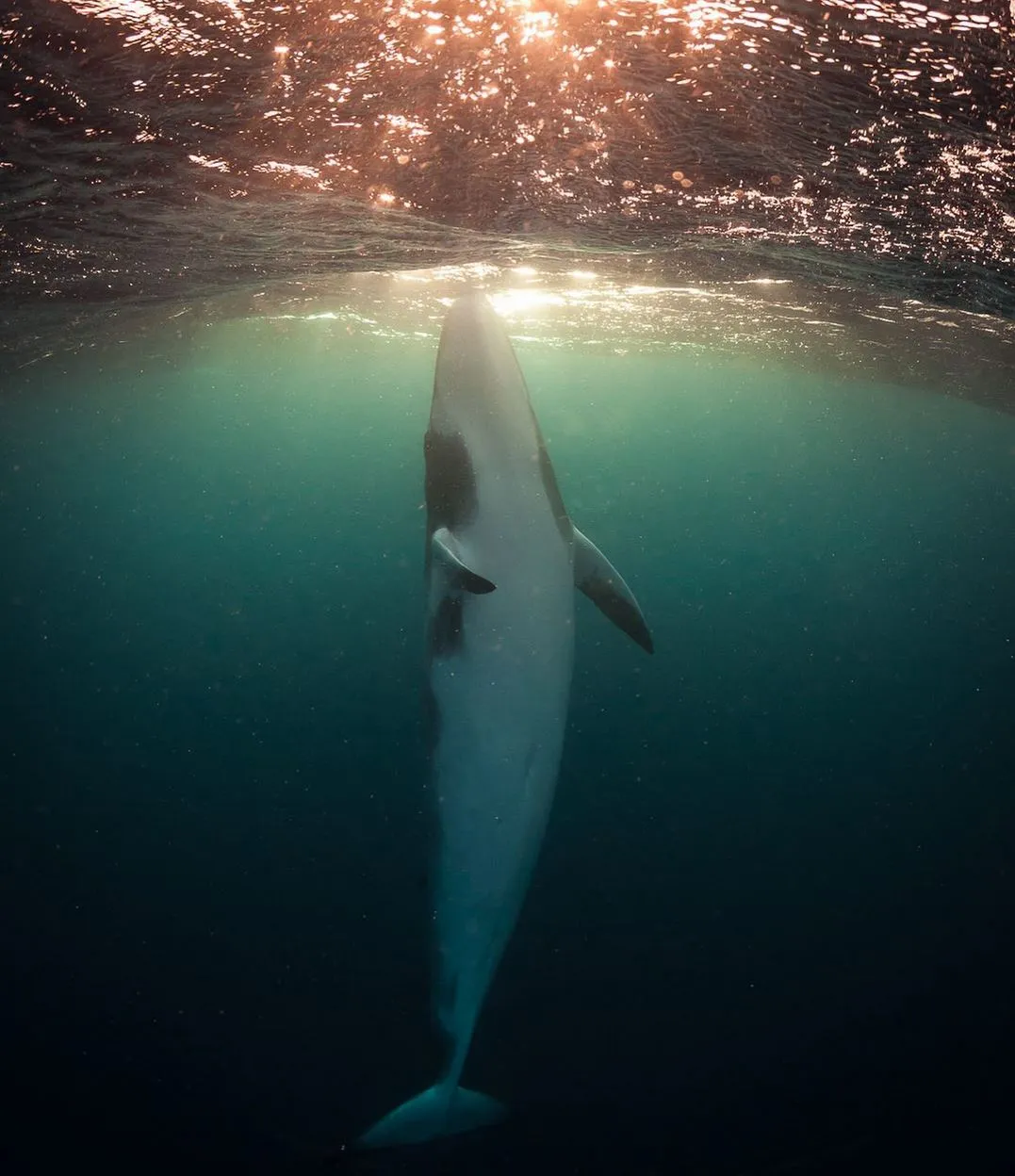
These little whales show up mostly around the Ribbon Reefs north of Cairns, and they’re known for being curious about boats. They’ll often swim right up to a ship to investigate, which, I have to say, is pretty cool to see. I once had a minke whale hang around long enough for me to finish my coffee and get started on a new one – not that I’d recommend drinking a hot coffee on a rocking boat, by the way.
The June & July window is the prime time for spotting minke whales. Operators out of Port Douglas and Cairns do a great job of tracking them each year, which means we can get some of the most responsible and respectful in-water interactions with these incredible creatures in the world.
Sperm Whales: The Deep Divers
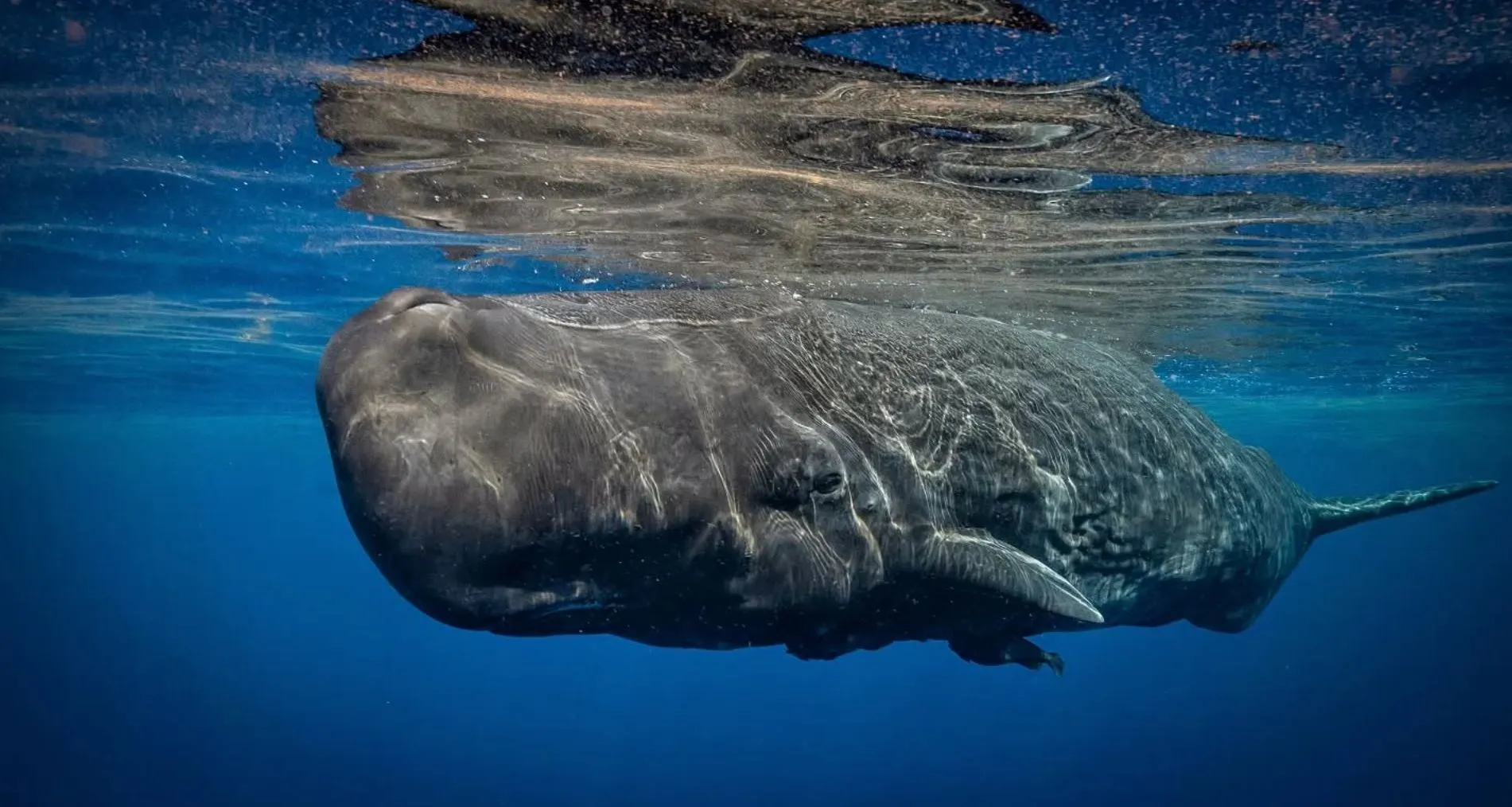
You’re not going to see these guys doing any fancy somersaults on the surface. Sperm whales spend most of their time in the deep trenches along the continental shelf, where the water pressure would crush a steel tank if you were down there long enough. Most sightings happen way out off the coast, sometimes while you’re out on a long haul between reef systems.
These are massive creatures, the largest toothed whales on earth – and yet still somehow really hard to spot. The calmest days are your best bet, but even then, a bit of luck never hurts.
Beaked Whales: The Ghosts of the Blue
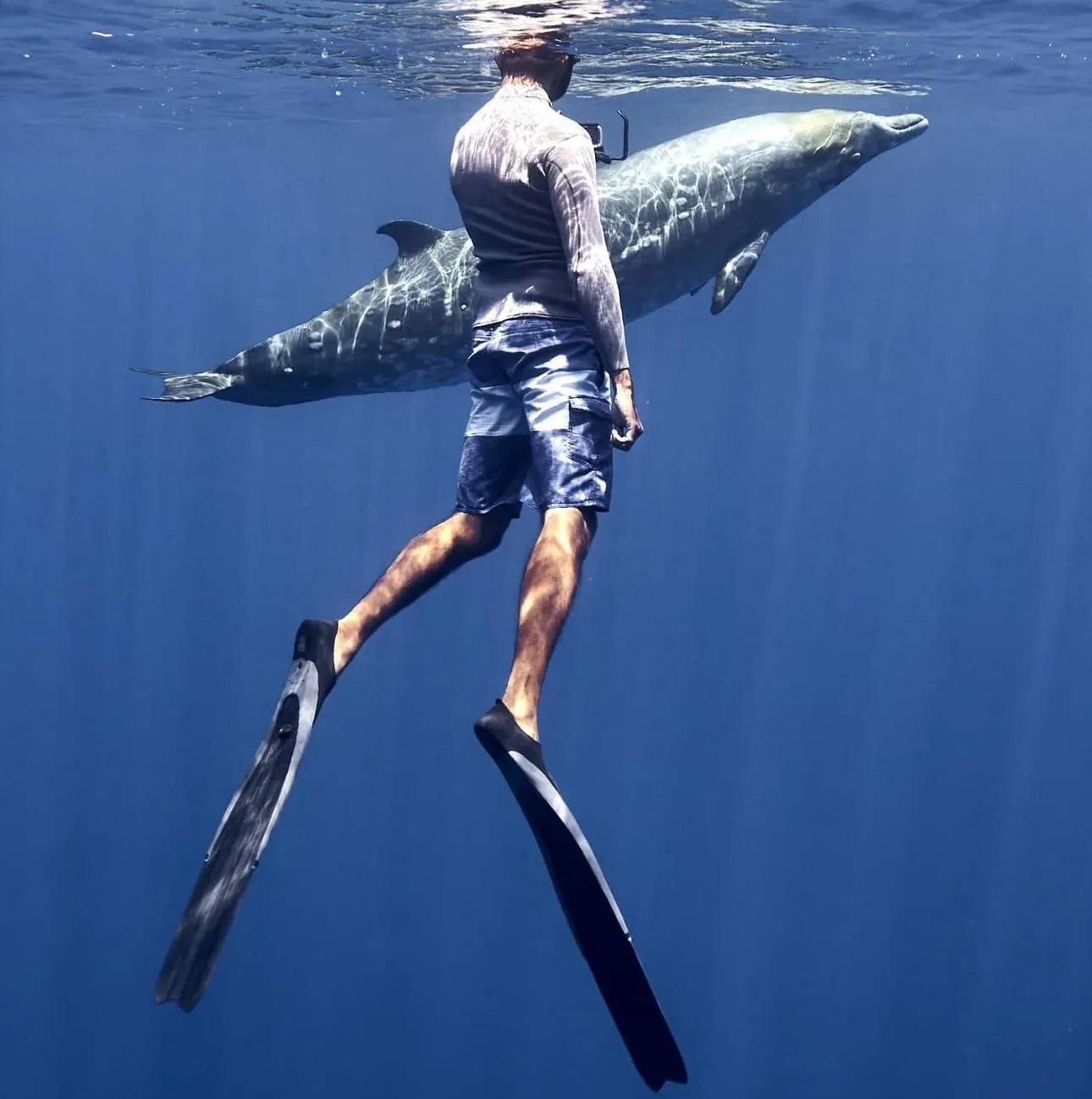
These guys are the ‘blink-and-they’re gone’ species of the GBR. They’ll surface for a second or two, then slip back under, leaving you wondering if you even saw anything at all. On my first sighting, off the continental shelf east of Lizard Island, I had to check twice to convince myself it wasn’t actually a dolphin.
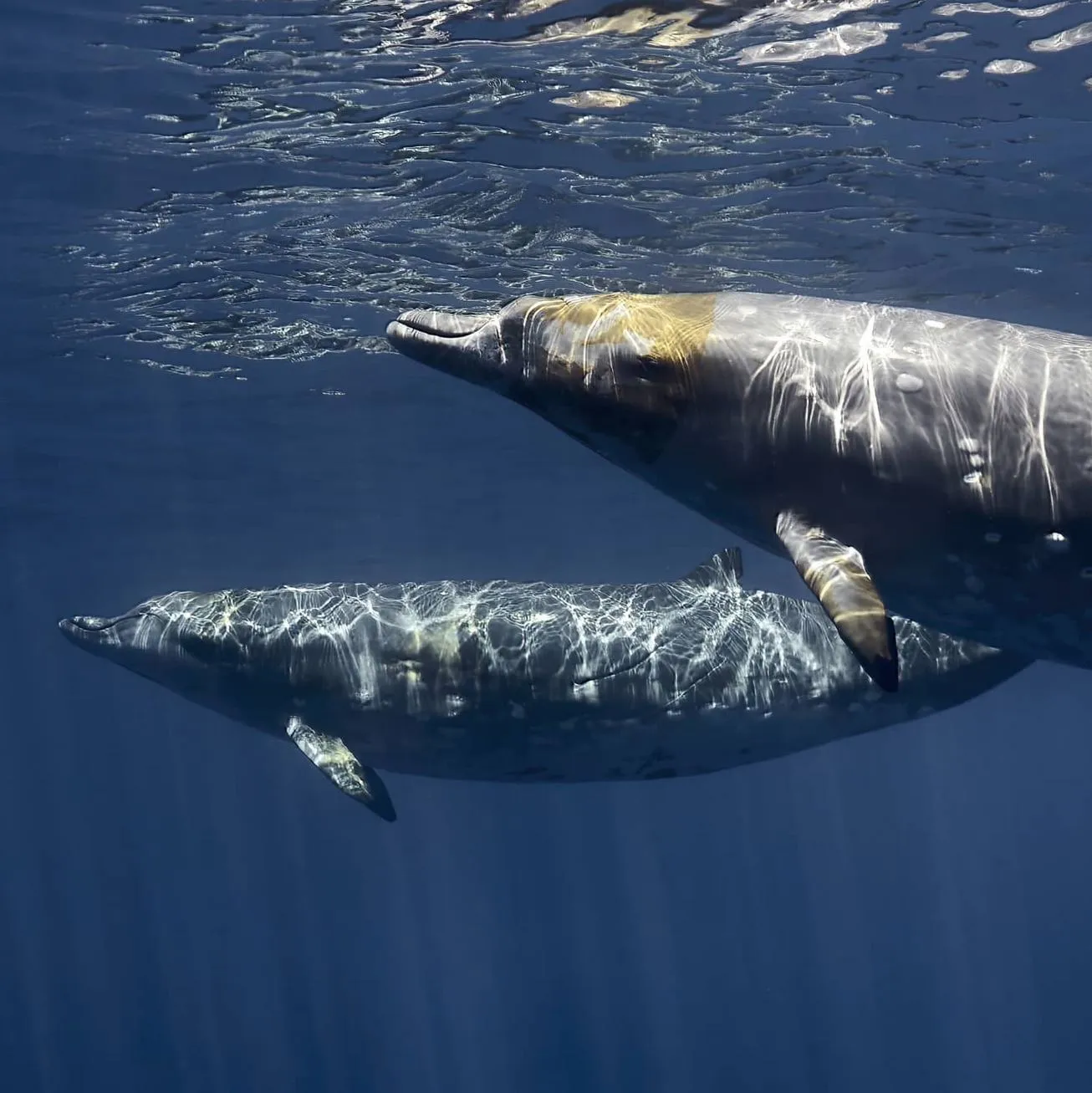
Species like Blainville’s beaked whales and Cuvier’s do pass through northern waters, but you never quite know when you’re going to see them. And it’s usually not something you can plan for – they just happen.
What Experts Reveal About the Giants
Talk to a skipper or a researcher or even a Traditional Owner who’s been guiding on Sea Country for years, and they’ll give you some wise words that come from knowing the sea like it’s second nature:
- Pay attention to the blow – one puff might be nothing, but three is a whale for sure.
- Listen first – on a still day, whale blows can carry a long way.
- Look along reef edges where the reef just drops off into deep water.
- Respect the locals – Traditional Owners have spent years studying the tides and the life cycles.
We see this all the time on Great Barrier Reef Tours – just slow down, take a deep breath, and the reef usually reveals some magic if you give it a chance.
Best Months to Plan a Trip around Whale Activity
To increase your chances of spotting whales, aim for the middle of the dry season. By July, the reef is alive with activity, including migrating humpbacks and the odd minke whale popping in for a look.
The Prime Times for Whale Sightings
- June-August: This is the best time to see humpback whales, dwarf minke whales and the peak season for the Marine Park.
- September-October: You’ll see humpbacks with their calves
- All year off-shore: Keep an eye out for sperm whales and beaked whales, though these are less common sightings.
If the weather is bad, don’t get too stressed – tomorrow could be much calmer.
Gear Checklist For A Whale-Focused Reef Trip
Over the years, I’ve learned that a few odds and ends can just make all the difference between a pleasant day out and an actual whale-spotting extravaganza.
Your Whale-Ready Kit
- A good pair of polarised sunglasses for spotting anything at the waterline
- A dry bag (yes, that’s been a lesson learned the hard way)
- Some lightweight binos for zooming in
- Reef-safe sunscreen, you don’t want to be stuck with a face full of eco-creep
- A light long-sleeve shirt to keep the sun and wind off your skin
- A decent camera that can keep up with some fast-moving whales
- A stash of seasickness tablets – you can never be too prepared for that
- Loads of water – you’ll need it when the action starts
- A waterproof phone pouch to keep your phone safe if you slip in
Whales are pretty unconcerned with how prepared you are – but trust me, you’ll be glad you brought your gear when they finally put in an appearance.
FAQ
When Does Whale Action Peak Around These Reef Trips?
June to August is peak whale season when it comes to humpbacks and minkes cruising through the Marine Park.
Can I Count On Seeing A Whale Every Time I Go in Dry Season?
Sorry, but no – sightings vary depending on the day, the conditions, and exactly where the whales happen to be.
Do I Need Special Permissions To Join a Whale Tour?
No, because tour operators already have their permits sorted with the Marine Park Authority – you just turn up and enjoy the ride.
Can I Swim With Whales When I’m Visiting The Area?
Only under super strict supervision and as part of one of those regulated programs for dwarf minke whales way up north.
Is It Generally Safe To Go Whale Watching Offshore During The Dry Season?
Yeah, if you take the proper precautions and keep an ear out for any weather or Marine Park warnings.