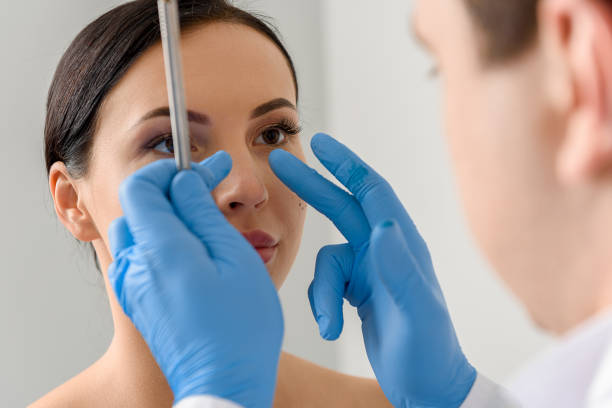
Nobody’s face is 100% symmetrical and slight differences from one side to another are normal – even ‘asymmetric nostrils’. However, if you’re worried about one noticeable concern, which is one nostril is bigger than the other, you might be questioning ‘can uneven nostrils be fixed?’ There might be natural ways to address it. Let’s talk about nostril asymmetry and how you might be able to fix uneven nostrils naturally without resorting to surgery.
Understanding Nostril Asymmetry
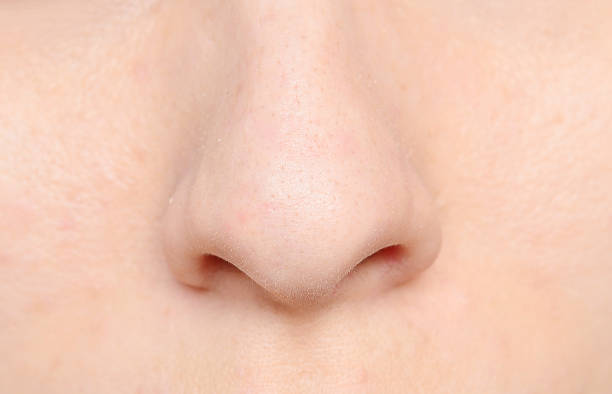
Nostril asymmetry refers to when one nostril is differently shaped or sized compared to the other. It may not seem like it, but nostril asymmetry is quite common, even in people who would be normally seen as having a ‘balanced’ face. Also, a difference in nostril size can sometimes be quite noticeable and a cause of concern for some individuals. But before understanding what may caused this imbalance and how to improve it, it is crucial to understand one term – deviated septum. ‘What is a deviated septum?’ you may ask. It is a condition where the thin wall dividing your nasal passage is displaced to the side and can cause one nostril to appear larger than the other. This is a common medical reason leading to nostril asymmetry. Understanding whether you have a deviated septum or other causes is the first step towards fixing uneven nostrils.
Causes of Nostril Asymmetry
Apart from deviated septum, there are usually three main reasons why a person might have uneven nostrils:
Congenital Asymmetry
- Congenital asymmetry, present since birth, where the person was born with nostrils of different sizes. It is a common feature and not always a cause for concern unless it interferes with breathing or you find it aesthetically troubling.
- On the other hand, Traumatic Injury might cause one nostril to appear larger than the other. This could be due to an accident, a hit to the face, or a poorly executed surgery that led to scarring or disfigurement.
- Lastly, Ageing might be the culprit as it often causes changes to our faces, making once symmetrical features grow slightly uneven.
| Ordinary Causes of Nostril Asymmetry |
|---|
| Congenital Asymmetry |
| Traumatic Injury |
| Ageing |
Non-Surgical Method
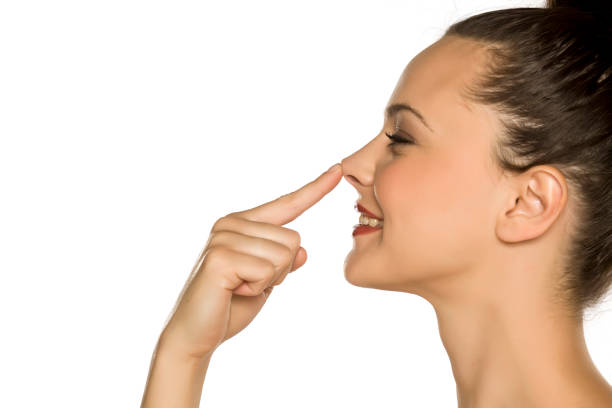
For those who may not want to resort to surgical procedures to correct this imbalance, there are several natural methods available that may help.
Exercises to Correct Uneven Nostrils
Can uneven nostrils be fixed with exercise? The facial muscles, like any other muscles in the body, can be toned and shaped via exercises. There are not any specific exercises just for the nostril, but general facial exercises can possibly influence the upper lip’s shape and possibly help reshape the nostril to some degree.
- Lip Pull: Sit or stand with a straight posture. Lift your lower lip up as much as possible by pushing the lower jaw out. You should feel a stretch in your chin muscles and jawline. Hold this posture for 15 to 20 seconds and relax. Repeat this exercise 10 to 15 times.
- Mouthwash Technique: Fill your mouth with air. Transfer the air from one side to the other similar to cleaning your mouth with mouthwash. Continue for a few minutes, relax and repeat a couple of times.
Breathing Techniques
Certain breathing techniques can also aid in improving nostril symmetry, especially if the asymmetry is caused by blockage or poor airflow, such as in the case of a deviated septum. Techniques such as alternate nostril breathing, a common yoga practice known as ‘Nadi Shodhana’, could stimulate and balance the function of both nostrils. Practicing these non-surgical methods could potentially help without venturing into intrusive surgical options. However, these natural methods may take time and dedication before any noticeable changes could emerge in the scenario of asymmetric nostrils.
Use of Nasal Strips or Dilators
If you’re wondering how to fix uneven nostrils without surgery, another possible method is through the use of nasal strips or dilators. Nasal strips are small adhesive bands you place across your nostrils. The purpose of these bands is to pull your nostrils open, helping to make breathing easier. Nasal dilators, on the other hand, are small plastic or rubber devices inserted into the nostrils to expand the nasal passages. Both nasal strips and dilators can potentially help if uneven nostrils are due to a structural issue or blocked nasal passageways by expanding your nostrils and promoting better airflow.
Lifestyle Modifications
Besides the above-mentioned methods, making certain lifestyle changes can also contribute in mitigating the condition of uneven nostrils to some extent.
Avoiding Allergens
For some, uneven nostrils might be a result of allergies. Common allergens include pollen, pet dander, and dust mites. If you’re allergic to any of these, try avoiding them as much as possible. For instance, keep your home clean and dust-free, avoid pets if you’re allergic to them and keep your windows shut during pollination seasons.
Quitting Smoking
Tobacco smoke can irritate and inflame your nasal passages causing them to swell and block the airway. If you’re a smoker and you have noticed that one of your nostrils is bigger than the other, it could possibly be due to smoking. So, quitting smoking can prove beneficial in promoting overall better nasal health, potentially rectifying nostril asymmetry.
Regular Hygiene Routine
Maintaining a regular nose hygiene routine can also help keep your nostrils clear and healthy. It can include washing your nasal passages with warm water or saline solution or using a humidifier to prevent your nostril from drying out, especially in winter. However, if you are unsure about the procedure, it is best to consult with a medical professional.
When to See a Doctor
While it’s possible to fix uneven nostrils naturally to some extent with these methods, there is no guarantee that they will work for everyone. If your nostril asymmetry is causing you significant discomfort, or hindering your breathing, it should be checked out by a healthcare professional. You should also see a doctor if the asymmetry happened overnight, is accompanied by pain, or if it is a result of an injury or suspected infection.
In a nutshell and Final Thoughts
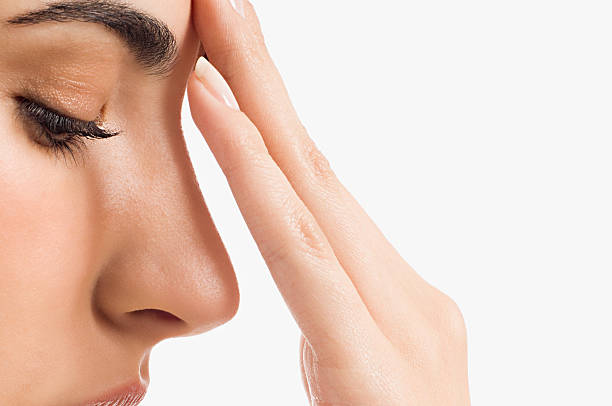
Having uneven nostrils is not uncommon and usually, it’s not a cause for concern. However, if you’re self-conscious about it or if it’s affecting your breathing, natural methods like exercises, lifestyle changes, and using nasal strips or dilators can be helpful. Remember, these methods may not bring about immediate changes and will require consistent effort over time. Should you find that these techniques don’t work or if your asymmetry is severe, don’t hesitate to seek out professional medical advice.
Frequently Asked Questions
Q1: Why are my nostrils uneven?
A: There are several reasons why you might have one nostril that is bigger than the other. It might be something you were born with, it could be a result of an injury, or it might also be due to a condition such as a deviated septum.
Q2: Can exercises actually correct uneven nostrils?
A: While there are no specific exercises for correcting nostril shape, certain general facial exercises might have an influencing effect on the shape of the nostrils indirectly. However, it will take consistent effort and time to see noticeable changes.
Q3: How can nasal strips or dilators help?
A: Nasal strips and dilators work by physically expanding your nostrils, which can improve your airflow if the unevenness is due to some sort of obstruction or structural issue.
Q4: What lifestyle modifications can I make?
A: Lifestyle modifications like maintaining a regular nose hygiene routine, avoiding allergens if you are allergic, and quitting smoking can all contribute to better nasal health and potentially help address the issue of nostril asymmetry.
Q5: When should I consult a doctor about my nostril asymmetry?
A: If the asymmetry is sudden or accompanied by pain, or if it is affecting your breathing or causing significant discomfort, you should consult a healthcare professional. Similarly, if natural methods are not providing the desired results, a visit to the doctor for further diagnosis and treatment could be beneficial.